For Detective Palash, who never lets a wrong fact slip past.
Stolen honey. A farmhouse that goes dark at nine o'clock. A bridge with bite marks. Crying from an empty room. A party guest nobody invited. Three Pikachu who all say they're the real one. Every mystery in this book was solved the same way: by reading the Pokédex more carefully than anybody else.
Every mystery has a Pokédex entry at the bottom of it
That's what Professor Larch says, usually while pouring tea. This book is the proof: eight cases from eight regions, each one cracked by a fact the researchers had written down long before anyone went missing.
It started with a newspaper. One wet morning, the front page of The Route Runner said PHANTOM GENGAR HAUNTS BAKERY! in letters taller than a Pikachu's ears. The reporter, Tamsin Quill, had interviewed the baker. Every night, the baker said, his shop grew mysteriously warmer, the buns vanished, and a dreadful smell crept out from under the counter. "It is clearly a Gengar," wrote Tamsin. "Lock your doors."
Palash read the article twice, put his finger on one word, and went to find a pen.
Because here is the thing about Gengar. The Sinnoh Pokédex says that when a Gengar is hiding, it cools the area around it by nearly 10 degrees Fahrenheit. The Johto Pokédex says it steals heat from its surroundings. A sudden chill means a Gengar is near. A bakery that gets warmer every night is a bakery with its ovens on, and nothing else.
So Palash wrote a letter to the newspaper. He pointed out the warm-room problem. Then, because the smell bothered him, he added a second paragraph. Sinnoh researchers say Munchlax hides food under its long fur and then forgets about it, and Alola researchers add that the forgotten food sometimes "causes a stinky disturbance." Buns vanishing, a smell under the counter, and no chill at all? Look for a Munchlax, he wrote, not a ghost.
The baker looked. Under the counter, fast asleep on a heap of crumbs, was a very round Munchlax with two forgotten buns still tucked in its fur.
The newspaper printed a correction. And three days later a letter arrived for Palash with a blue wax seal and a drawing of a magnifying glass on the back.
Dear Palash,
I read your letter about the bakery. You noticed the one word everybody else skipped (warmer), you checked it against two regions' Pokédexes, and then you kept going until the smell made sense as well. That is detective work.
My lab runs the Mystery Desk. People from every region write to us when something strange happens: things go missing, lights go out, rooms cry at night. Nine times out of ten the answer is a Pokémon doing exactly what the Pokédex says it does. The tenth time is usually a person who hoped nobody would check the Pokédex.
I need a junior detective with sharp eyes. The ferry leaves on Monday. Bring a notebook.
Professor Larch
LETTER · THE MYSTERY DESK · END OF THE HARBOUR PIER
The team
The Mystery Desk is a tall, narrow lab at the very end of a harbour pier, where the ferries for every region call in turn. One wall is a giant map with coloured pins. One wall is shelves of Pokédex records: Kanto's, Johto's, Hoenn's, Sinnoh's, all the way to Paldea's, plus a battered copy of a Hisui researcher's survey notes. The third wall is letters. The fourth wall is mostly window, and on the windowsill stands a Hoothoot on one foot.
🔍
JUNIOR DETECTIVE
Palash
Ten years old. Has read more Pokédex entries than most professors. Carries a notebook with a column for "what the witness said" and a column for "what the Pokédex says". When the two columns disagree, that's where he starts digging.
🫖
HEAD OF THE DESK
Professor Larch
Tweed coat, pockets full of notebooks, never without tea. Reads the same Pokémon's entries from five different regions "because the regions disagree, and the disagreements are where clues hide."
PALASH'S PARTNER
Scout the Growlithe
The Desk's tracker. Once Scout smells something, he never forgets it. He can also tell how people are feeling by their scent, which makes him very hard to fool.
THE LAB CLOCK
Tick the Hoothoot
Hoots at seven o'clock every morning, to the second. Stands on one foot and switches feet so fast nobody has ever seen it happen. The Desk has no other clock and has never needed one.
NIGHT WATCH
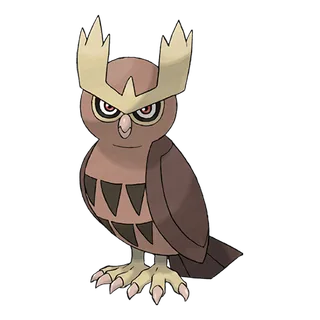
Nox the Noctowl
Professor Larch's partner. Flies without a sound and sees in almost total darkness, so Nox does every night stakeout. When a case gets hard, Nox's head slowly turns upside down.
THE PRESS
Tamsin Quill & Scoop
Star reporter of The Route Runner. Always first at the scene and always first with the wrong headline. Her Chatot, Scoop, has learned to squawk "SHOCKING!" in exactly her voice.
No. 0163HoothootNormalFlying
"It begins to hoot at the same time every day. Some trainers use them in place of clocks."
JOHTO POKÉDEX
Hoenn researchers credit an organ inside it that senses the turning of the earth. In Alola, people long ago raised Hoothoot as clocks and thought of them as divine messengers sent to tell the time.
No. 0058GrowlitheFire
"Once it smells anything, this Pokémon won't forget the scent, no matter what."
HOENN POKÉDEX
The same Hoenn record says Growlithe can read the emotions of other creatures by smell.
No. 0164NoctowlNormalFlying
"Its extremely soft feathers make no sound in flight."
JOHTO POKÉDEX
The regions read its upside-down head differently. Sinnoh researchers say it means very complex thinking; Alola researchers say it means Noctowl is troubled, and you should leave it alone or get pecked.
No. 0441ChatotNormalFlying
"If they gather, they all learn the same saying."
SINNOH POKÉDEX
Chatot can learn and speak human words, and it copies other Pokémon's cries so well that they think it's one of them. Hisui notes suggest older Chatot may even understand what they say.
The Detective's Rules
Professor Larch pinned these above Palash's desk on his first day. By the end of this book you will have seen every one of them at work.
Check your own footprints first. In Oldale Town, Hoenn, a researcher once blocked a whole road to sketch the footprints of a "rare Pokémon". When he finished, he admitted they were his own.
Read the Pokédex before you accuse anybody. And read more than one region's. Kanto and Alola researchers often notice completely different things about the same Pokémon.
One Pokémon, one Ability. A species may have two or three possible Abilities, and a rare few individuals have an unusual one. Never write "all Meowth have Pickup". Write "this Meowth has Pickup".
When the regions disagree, write down both. Johto's researchers counted about a thousand Combee sleeping together in one group. Unova's counted a hundred. A good detective says so, and doesn't pretend to know which is right.
The quiet explanation is usually the true one. Most "crimes" are a Pokémon doing exactly what its Pokédex says. Hungry, curious, tidy, lonely, mischievous. Not wicked.
Be kind to the culprit. It is usually hungry.
THE GOLDEN RULE OF ABILITIESTake Meowth. A Meowth may have Pickup, or Technician, or (rarely) Unnerve, but each Meowth has only one. So when a clue depends on an Ability, the question is never "can Meowth do this?" It is "can this Meowth do this?" Palash checks the Pokémon's Trainer records, or watches it in a battle, before he trusts any Ability clue.
How the case files work
Each case starts with a letter and a story. Then comes the clue board: index cards pinned to cork. Tap each card to inspect the evidence. Below the board is the lineup, with every suspect's height and weight from the Pokédex. Pick a suspect and press Accuse!
Crack a case with no wrong accusations and you earn ★★★. Up to one wrong accusation for each question in the case still earns ★★; any more than that, ★. Every wrong accusation clears that suspect and gives you a hint. The solution stays sealed until you crack it (or give up), and your first try is the one that goes on file: you can re-open a closed case and play it again, but your stars won't change. Your stars add up to a detective rank, and the Mystery Desk keeps them on file for you.
CLIENTGranny Marigold, honey farmerPLACEA hillside honey farm in JohtoWHENLate autumn, three nights running
The Route RunnerJohto Edition
Phantom Honey Bandit Strikes Three Nights Running!
"It glows in the dark," says girl, 8. Farm in despair. Is a ghost Pokémon to blame?
By Tamsin Quill · additional reporting by Scoop the Chatot ("SHOCKING!")
To the Mystery Desk,
Something is taking my honey. Three mornings in a row I have come out to find a hive lid pushed aside and comb missing, and my three Combee swarms are in a terrible fuss about it. Nothing is broken. Nothing is burnt. My granddaughter Pip says she saw a little moon fall out of the sky and land among the hives. The newspaper lady says it's a ghost. I say it's somebody with a sweet tooth. Please come before the frost.
Marigold
LETTER · RECEIVED AT THE MYSTERY DESK
THE FARM
Granny Marigold's farm sat on a hill above a dark wood, with three rows of painted hive boxes in the meadow and a little stone house at the top. When Palash, Professor Larch and Scout came up the lane, the air was buzzing. Combee hovered over every box in tight little threes.
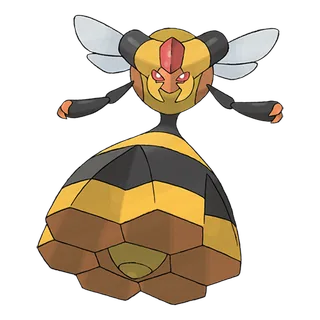
"Each of my swarms has a Vespiquen," said Granny Marigold, pouring tea that tasted of flowers. "Only ever one to a colony. The Clover swarm, the Orchard swarm and the Heather swarm. They gather from sunrise to sundown, and at night they cluster together into one big living hive and go to sleep."
Palash wrote that down and underlined sleep. "So whoever is taking the honey comes at night," he said, "when the guards are asleep."
"And there's another thing," said Granny Marigold. "Honey has a smell that carries. People spread it on special trees to draw wild Pokémon out of the woods. A whole farm of it?" She waved at the dark trees. "Half the forest knows we're here."
That was not good news for a detective. It meant a lot of suspects.
No. 0415CombeeBugFlying
"Each swarm produces a different flavor of honey."
HISUI RESEARCH NOTES
A Combee is a trio, together from birth. Galar researchers say each of the three has a slightly different taste in nectar.
No. 0416VespiquenBugFlying
"There is only one in a colony."
SINNOH POKÉDEX
Johto researchers say it controls its Combee with pheromones. Galar adds that a Vespiquen giving off more pheromones commands a bigger swarm.
THE WITNESS
Pip was eight and absolutely certain. "I woke up at two o'clock," she said, "because I always wake up at two o'clock. And I looked out of the window and there was a little crescent moon. Down low. Down by the hives. It was bobbing about like it was walking."
"A glowing phantom!" said Tamsin Quill, who had arrived on the next ferry with a notebook and a Chatot on her shoulder. "SHOCKING!" said the Chatot.
Palash didn't write phantom. He asked Professor Larch for her almanac and turned to the right page. Three nights ago, the night of the first theft, had been a new moon. There had been no moon in the sky at all.
"So whatever Pip saw," said Palash slowly, "wasn't the moon. It was something shaped like one."
THE EVIDENCE
At the hives, the trail was easy to see once you knelt down. Every robbed lid had small, sticky paw marks along the edge. Some of the marks were smeared. And in two places the sticky edge had been licked clean, leaving a neat bare stripe, as if someone had been tidying their paws as they went.
Scout put his nose to the lid, sneezed, and then set off across the meadow with his tail straight up. He led them past the hives, past the compost heap and into the edge of the wood, where he started digging at the base of a beech tree. Under the roots was a hollow, and in the hollow, wrapped in leaves, was a lump of honeycomb.
By lunchtime Scout had found five of them: one under a root, one in a hollow log, one behind a mossy stone, one under a heap of leaves, and one jammed into a split in an old stump. Not one big pile. Five little ones, each carefully hidden.
"Somebody," said Professor Larch, "is getting ready for winter."
The suspects, meanwhile, kept arriving.
On the far side of the meadow stood three berry trees, and all three had fresh, deep claw scratches gouged into the bark. "That's the big Ursaring from the woods," said Granny Marigold. "It comes every autumn." Tamsin's pencil flew. A huge, clawed beast! Surely this was the bandit.
Palash walked around the hives with a measuring tape. The fence round the hive rows was tall and made of close-set wooden palings, and not one paling was scratched, bent or broken. The only gap anywhere was under the gate: about as high as a bucket, room for something small to wriggle through on its tummy. He checked the hive boxes. Not a scratch on any of them. The claw marks were only on the trees that bore fruit.
Then Tamsin went to look at the big old oak by the gate, and came running back with her hat in her hand and a furious Heracross close behind. It chased her as far as the fence, then turned round and stomped back to the tree, where a dark streak of sap ran down the bark.
"Attacked!" gasped Tamsin. "It's guilty! Look how angry it is!"
"It's there every single day," said Granny Marigold, "drinking that sap. It doesn't like being bothered."
And then there was Kit. Kit was the boy from the next farm down the hill, eleven, freckled, and unlucky enough to be standing in his kitchen with a jar of honey when Tamsin knocked on his door. "Neighbour caught red-handed!" she wrote. Kit said he'd bought the honey at the market in town, which, Tamsin pointed out, is exactly what a honey thief would say.
Palash borrowed the jar. Granny Marigold fetched three spoons, one for each of her swarms' honey, and a fourth for Kit's. She tasted all four with her eyes shut, the way a person does when they've been tasting honey for fifty years.
"Clover," she said. "Orchard blossom. Heather." She tasted the fourth spoon and frowned. "And this one isn't any of mine. Never has been."
Palash looked at his notebook. Six clues. Four suspects. One answer. Your turn, detective.
Clue board · Case 10 / 6 clues inspected
EXHIBIT AThe moon that wasn'tTap to inspect
At 2 a.m. Pip saw a small glowing crescent, low down among the hives, bobbing as if it were walking. The almanac says it was a new moon. There was no moon in the sky.
EXHIBIT BSticky paw marksTap to inspect
Small, sticky paw prints on every robbed lid. In two places the sticky edge has been licked clean, as if the thief stopped to tidy its paws.
EXHIBIT CFive little hiding placesTap to inspect
Scout found the stolen comb split between five separate caches in the wood: under a root, in a hollow log, behind a stone, under leaves, in a stump. It's late autumn. The frost is coming.
EXHIBIT DClaw marks on the berry treesTap to inspect
Deep, fresh scratches on the three berry trees across the meadow. None on the hives, and none on the tall paling fence round them, where not one paling is bent. The only way in is a bucket-high gap under the gate. The Pokédex lists Ursaring at 1.8 m and 125.8 kg.
EXHIBIT EThe angry HeracrossTap to inspect
A Heracross drinks sap at the old oak by the gate every day, and chased Tamsin away when she came too close to its tree. It went straight back to the sap.
EXHIBIT FKit's jarTap to inspect
Kit says he bought his honey at the market. Granny Marigold's three swarms each make honey with its own flavour: clover, orchard blossom and heather. Kit's honey tastes like none of them.
THE ACCUSATION
Who has been taking Granny Marigold's honey?
Look at Exhibit D again. The scratches are on the berry trees, not the hives or the fence. A 125.8-kilogram Ursaring could never wriggle through a bucket-high gap under the gate, and it couldn't climb those palings without leaving a single claw mark. The tree scratches are an Ursaring saying "these are my trees".
The Heracross is guilty of bad manners, not burglary. Ask yourself: does it explain the glowing crescent? The five hidden stores? Read Exhibits A and C again.
Exhibit F clears Kit. Every swarm makes its own flavour of honey, and his doesn't match any of Granny Marigold's. Besides, can a boy glow in the dark?
CASE CLOSED
The thief was a Teddiursa, filling its winter cupboard
That night Palash, Pip and Nox kept watch from the porch. At two o'clock exactly (Pip was right about that, too) a small crescent of light came bobbing up out of the wood, wriggled under the gate and trotted in among the hives. Nox drifted overhead without a whisper of feathers. When Professor Larch switched on her torch, there it was: a Teddiursa, up on its hind legs beside a hive with its lid nudged open, a lump of comb in one paw, licking the other paw with great concentration. The crescent on its forehead was glowing like a lamp.
It blinked at the torch, tucked the comb under its arm, and trundled off to the wood to hide it. Scout found that one in the morning too. Cache number six.
THE FACTS THAT CRACKED ITThe glow: the Johto Pokédex says, "If it finds honey, its crescent mark glows." On a night with no moon at all, Pip saw a crescent walking among the honey. The paws: Sinnoh and Unova researchers say Teddiursa's paws are soaked in honey and it licks them constantly. (They also say every set of paws tastes unique. Professor Larch declined to test this.) The hiding places: the Johto Pokédex says that before winter, Teddiursa hoards food in many hidden locations. Five little caches, not one big pile. And history agrees: Hisui researchers noted long ago that Teddiursa is cunning and sneaks into Combee nests to take their honey.
Ursaring: clearedSinnoh and Unova researchers say Ursaring scratches the trees in its territory that bear delicious berries or fruit. The claw marks were a sign saying "my trees", nowhere near the hives. And a 125.8-kilogram bear can't wriggle under a gate, or climb a fence without leaving a mark on it.
Heracross: clearedHeracross gather for sweet tree sap and honey and chase off anyone who disturbs them while they drink. It chased Tamsin away from its sap, which is exactly what the Pokédex says it does.
Kit: clearedEach Combee swarm makes its own flavour of honey. Kit's jar matched none of the three. He really did buy it at the market.
No. 0216TeddiursaNormal
"If it finds honey, its crescent mark glows."
JOHTO POKÉDEX
Hoenn researchers add a lovely detail: Teddiursa blends fruit with pollen collected by Beedrill to make its own honey. A Teddiursa may have Pickup or Quick Feet as its Ability, and a rare few have Honey Gather.
Granny Marigold didn't want the Teddiursa chased off. "It's only stocking up," she said. "Same as me." So now, every autumn, she leaves one small comb in a hollow log at the edge of the wood. The Teddiursa takes it, and the hives are left alone. Kit got a jar of clover honey to say sorry for the fuss. Tamsin got a correction.
The Route Runner
No Phantom: Honey "Bandit" Was a Teddiursa Getting Ready for Winter
Neighbour cleared by taste test. Glow explained by Johto Pokédex. Farm sets aside "winter comb" for its small visitor.
On the ferry home from the honey farm, Professor Larch opened a fat green notebook labelled FIELD MANUAL and handed it to Palash. "Everything a Pokémon touches, it changes," she said. "Mud, bark, snow, soil. Learn to read the changes and you'll never need a witness."
Most people walk across a field and see a field. A detective sees a record of everything that crossed it last night. The Pokédexes of every region are full of these records, scattered across hundreds of entries, and the Mystery Desk keeps them all in one place. Here is the first half of the Field Manual, copied out in Palash's own handwriting (tidied up a little for printing).
Trail spotter
Eight trails from Palash's first week at the Desk, sketched in his notebook. Guess first: say out loud whose you think each one is, then tap. The Field Manual pages below will tell you why.
TRAIL 1Tap to reveal
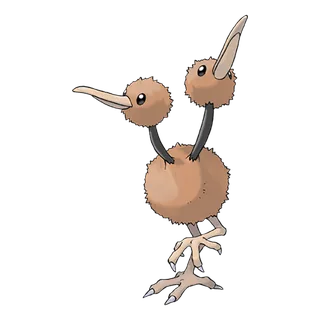
Zigzagoon. The Hoenn Pokédex says it's distinguished by the zigzag footprints it leaves.
TRAIL 2Tap to reveal
Linoone. Straight lines only, and a right-angle turn whenever something gets in the way.
TRAIL 3Tap to reveal
Diglett. A ridge of raised earth from burrowing just below the surface. Check the vegetable roots.
TRAIL 4Tap to reveal
Grimer. "Even weeds won't grow in its path," says the Kanto Pokédex. Look for small new Grimer along the trail.
TRAIL 5Tap to reveal
Gastrodon, up from the shore looking for food, leaving its sticky slime trail.
TRAIL 6Tap to reveal
Doduo, racing across a grassy plain. Giant footprints, up to four inches deep.
TRAIL 7Tap to reveal
Woobat. It sleeps stuck to cave walls by the suction of its nostrils and leaves heart-shaped marks behind. Lots of hearts on a cave wall mean Woobat live there.
TRAIL 8Tap to reveal
Weavile. A message, not vandalism: Weavile talk to each other by carving signs into frost-covered trees, ice and boulders with their claws.
Trails & footprints
Zigzagoon: the zigzag
Leaves a zigzag pattern of footprints as it wanders back and forth, rubbing its nose along the ground, searching. It is good at finding items in grass and even underground, and Galar researchers say, "If you've lost something, this Pokémon can likely find it." It also rubs its bristly back on trees to mark its territory.
HOENN · SINNOH · UNOVA · KALOS · GALAR POKÉDEX
Linoone: the ruler-straight runner
Runs at full speed only in straight lines, at over 60 mph. Faced with an obstacle, it makes a right-angle turn. Curved roads give it a tough time. A dead-straight track with square corners is a Linoone; a winding one is not.
HOENN · KANTO POKÉDEX
Doduo: the deep prints
Runs fast to make up for poor flying and leaves giant footprints. One Johto account says that racing across grassy plains, its prints can be up to four inches deep.
KANTO · JOHTO POKÉDEX
Diglett: the raised ridge
Burrows just below the surface, leaving a ridge of raised earth that makes it easy to spot. The soil it digs through is left perfectly tilled for crops. In Alola some farmers call it a pest because it chews vegetable roots; others are glad of it because its droppings enrich the soil. Alola researchers also say it hates sunlight and comes out only after the sun goes down.
KANTO · GALAR · JOHTO · HOENN · ALOLA POKÉDEX
Grimer & Muk: the dead strip
Even weeds won't grow in a Grimer's path, and a Johto entry says so many germs are left behind that no plants will ever grow there again. Bits that drop off a Grimer grow into new Grimer. An old Kanto entry says Muk is so toxic that even its footprints contain poison.
KANTO · JOHTO POKÉDEX
Gastrodon: the sticky line
Sometimes comes up onto land searching for food, leaving a sticky trail of slime behind it. A gleaming line running up from the shoreline is worth following.
GALAR POKÉDEX
Ariados: the thread home
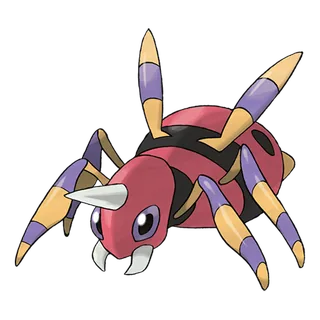
Ties a silk thread to its prey, lets it go, and later follows the silk to find the prey and its friends. A Johto entry says Ariados spins a single strand from its rear that always leads back to its nest. A detective can follow the same thread.
SINNOH · UNOVA · KALOS · JOHTO POKÉDEX
Snover: the curious ring
Snover are curious about people, and they gather around human footsteps they find on snowy mountains. A ring of Snover prints around a hiker's boot prints means curious onlookers, not stalkers.
SINNOH · UNOVA POKÉDEX
Meowth: no prints at all
Meowth withdraws its sharp claws "to slinkily sneak about without making any incriminating footsteps." It wanders the streets at night looking for dropped coins. A coin theft with no paw prints is very Meowth-shaped.
HOENN · KANTO POKÉDEX
NO FOOTPRINTS? CHECK FOR FLOATERSPlenty of Pokémon never touch the ground. A Pokémon with the Ability Levitate floats in the air (which is also why Ground-type moves can't touch it). Gastly, Haunter, Misdreavus, Rotom, Chimecho, Unown, Latias and Latios always have it. A Duskull usually has it too, but a rare few have Frisk instead; and a Bronzor may have Levitate or Heatproof (or, rarely, Heavy Metal). Rule 3 again: check which Ability that one has. When a scene has evidence everywhere except the floor, think about who floats.
From a Pokémon's footprints alone, I can tell how it feels about its Trainer. Mind you, some Pokémon leave no footprints at all, and their thoughts are a great deal harder to read.
DR. FOOTSTEP · A SMALL BEACH HOUSE ON THE SOUTHWEST SIDE OF ROUTE 213, SINNOH (AS PALASH REMEMBERS HIS WORDS)
Dr. Footstep is the Mystery Desk's favourite expert. He reads footprints not to find out who passed, but how they were feeling, and he gives a Footprint Ribbon to Pokémon that share a close bond with their Trainer. Professor Larch says his best lesson is the second sentence: a detective must know which suspects leave no prints, or an empty floor will fool him.
Marks & signatures
Some Pokémon don't just leave traces. They sign their work.
Weavile's secret signs
Weavile live in cold regions in groups of four or five and talk to each other by carving signs into frost-covered trees, ice and boulders with their claws. "The number of distinct signs is said to be over 500," says the Galar Pokédex. Claw symbols on an icy route are a message, not vandalism.
SINNOH · UNOVA · ALOLA · GALAR POKÉDEX
Smeargle's painted marks
Marks its territory with fluid from its tail tip, used like a paintbrush, and over 5,000 different marks have been found. (Another Hoenn entry says about 5,000.) The colour of the fluid is predetermined for each Smeargle; only the strength of the shade changes, with its mood. Towns with many Smeargle have walls covered in graffiti.
HOENN · JOHTO · ALOLA POKÉDEX
Spinda's spots
No two Spinda have the same pattern of spots. "The chances of two Spinda having identical spot patterns is less than one in four billion," say Johto and Kalos researchers. Alola has collectors who love the tiny differences. A good sketch of the spots is as good as a fingerprint.
HOENN · JOHTO · KALOS · ALOLA POKÉDEX
Kecleon's one weakness
Kecleon changes colour at will to blend in, "There is one exception—this Pokémon can't change the zigzag pattern on its belly." If startled, it snaps back to its true colours. If nobody notices it for too long, it sulks and never shows itself.
HOENN · ALOLA POKÉDEX
Woobat's hearts
Sticks to cave walls by suction from its nostrils while it sleeps and leaves a heart-shaped mark behind. Galar researchers say: "if you look up and see lots of heart-shaped marks lining the walls, it's evidence that Woobat live there." A heart mark left on a person is said to bring good fortune.
UNOVA · KALOS · GALAR POKÉDEX
Volbeat & Illumise's sky-writing
At night, Volbeat flash their tail lights and, led by Illumise's sweet scent, draw shapes in the sky. Over 200 different patterns have been confirmed, and scientists study them. Volbeat live by clean ponds and move their nests if the water turns dirty, so a pond whose lights have vanished may have been polluted.
HOENN · KANTO · JOHTO POKÉDEX
Things Pokémon leave behind
A shed skin by the waterfall
Dratini sheds its skin again and again as it grows (almost every day, say Alola researchers). It was called the Mirage Pokémon because so few people had seen one, yet its shed skins have been found. Galar says it lives by waterfalls. A skin is proof a Dratini lives there, even if nobody has seen it.
SINNOH · UNOVA · KALOS · ALOLA · GALAR POKÉDEX
A heap of crumbling rock
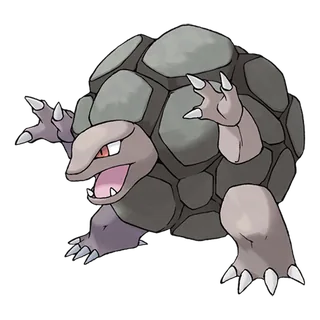
Golem sheds its rocky hide once a year. The cast-off shell hardens, crumbles and turns back into soil, and farmers collect it because it enriches their fields. In Hisui, the crumbled soil was spread on fields to help crops grow.
JOHTO · HOENN · ALOLA POKÉDEX · HISUI NOTES
A crackling tuft of wool
Mareep's wool builds up static. In cold weather it doubles in size and the tip of its tail glows faintly. The fleece is shed in summer and grows back within a week. Clothes made from it pick up static so easily that they need special treatment.
UNOVA · JOHTO · ALOLA POKÉDEX
A springy white fibre
Wooloo's wool makes surprisingly strong cloth, and its fleece is such a cushion that it could tumble off a cliff and stand up unhurt. A carpet woven from Dubwool's wool bounces like a trampoline. Compare it with Wigglytuff fur (spun into luxurious yarn in Alola) and Lopunny fur (shed twice a year, says Johto).
GALAR · ALOLA · JOHTO POKÉDEX
A thread that won't snap
Spinarak's thread is so strong some fishermen weave it into nets, and its web won't break even with a rock set on it. In some places Ariados thread is woven into cloth prized for its strength. Sewaddle sews leaves together with sticky thread to make its own clothes.
ALOLA · UNOVA · KALOS · HOENN POKÉDEX
A smell in the cupboard
Munchlax hides food under its long fur and forgets about it, and the forgotten food sometimes causes a stinky disturbance. (Palash's very first case.) In Hisui it often wandered into villages after food scraps meant for compost.
SINNOH · ALOLA POKÉDEX · HISUI NOTES
Myth-busters: things NO Pokédex says
A sharp detective objects to a clue that isn't true. Professor Larch searched every region's records for these, and found nothing:
"Combee make wax." No Pokédex says so. What Combee make is honey.
"Seviper and Ekans shed their skins." No Ekans, Arbok or Seviper entry mentions it. Shed Skin is the name of a battle Ability, not a description of a skin left in the grass. Pokémon whose entries do mention shedding include Dratini, Golem, Kabuto, Gabite, Crawdaunt, Scrafty and Caterpie, plus furry shedders like Wigglytuff and Lopunny.
"Every Ditto keeps its own face." No Pokédex says that either. The real weak spots of a Ditto disguise are written down, and you'll need them later in this book.
Evidence from Abilities
An Ability can be a clue all by itself, as long as you remember Rule 3: one Pokémon, one Ability. These are the Abilities the Mystery Desk sees most, with the exact effect Trainers record.
Ability
What it does
What it can mean at a crime scene
Pickup
May pick up the item an opposing Pokémon used up in battle, and may pick up items outside of battle, too.
A Pokémon holding something nobody gave it may simply have found it. (Zigzagoon, Meowth, Aipom, Teddiursa, Pachirisu, Munchlax, Lillipup, Dedenne…)
Static
Charged with static electricity, so contact may cause paralysis.
Somebody who grabbed it may be stiff and tingling. (Pikachu, Mareep, Electabuzz, Voltorb…)
Flame Body
Contact may burn the attacker.
A burn on the hand of someone who grabbed a "harmless candle". (Litwick, Magmar, Slugma…)
Stench
Its stench may make a target flinch, and Trainers say it helps keep wild Pokémon away.
A path no wild Pokémon will go near. (Stunky, Trubbish, Kanto-form Grimer…)
Damp
Dampens its surroundings so no Pokémon can use explosive moves such as Self-Destruct.
An "explosion" alibi falls apart if a Damp Psyduck was standing right there.
Frisk
When it enters a battle, it can check an opposing Pokémon's held item.
A detective's assistant! It can reveal a suspect's Pokémon holding the stolen item.
Pickpocket
Steals the held item of an attacker that makes direct contact (only if its own paws are empty).
An item that vanished in the middle of a friendly battle.
Unburden
Speed rises if its held item is used or lost.
A thief who only got fast enough to escape after dropping the loot. (Purrloin, Nickit, Drifloon, Grafaiai…)
Klutz
Can't use any held items.
"My Pokémon healed itself with a Berry!" Not if it has Klutz. (Buneary, Woobat, Golett…)
Insomnia
Prevents it from falling asleep.
A guard who "slept through it all"? Not if it has Insomnia. (Hoothoot, Noctowl, Murkrow, Drowzee…)
Soundproof
Full immunity to sound-based moves.
The one Pokémon still awake after a lullaby. (Whismur, Exploud, Voltorb, Mr. Mime…)
Illusion
Enters battle disguised as the last Pokémon in its Trainer's party. Only Zorua and Zoroark have it.
The "Pikachu" in a battle may not be a Pikachu at all.
4 Case Two · Kanto
CASE No. 2 · KANTO
UNSOLVED
Lights Out on Route 10
CLIENTBenji Hollis, aged 9PLACEAn orchard farmhouse on Route 10WHENAbout nine o'clock, three nights in a row
The Route RunnerKanto Edition
Power Plant Monsters Invade Farm!
Route 10 family plunged into darkness three nights running. "They'll come for all of us next," warns our reporter.
By Tamsin Quill
Dear Mystery Desk,
Our house goes dark at about nine o'clock every night. Only OUR house. Mum says it's the wiring, but the wiring man came and said the wiring is fine. The newspaper says it's monsters from the Power Plant. I think it's a Pokémon, because things in our shed keep moving. I have saved ₽300 to pay you. Please hurry because I don't like the dark.
Benji Hollis (age 9) P.S. Mum doesn't know I wrote this.
LETTER · WRITTEN IN PENCIL · ONE SMUDGED FINGERPRINT
ROUTE 10
Professor Larch sent Benji's ₽300 straight back with a note that said The Mystery Desk does not charge detectives under twelve, and the next morning she and Palash were walking up Route 10 with Scout trotting ahead.
It is a long, green route that follows a river. At its northern end, near the mouth of Rock Tunnel, stands a Pokémon Center. Further down the valley, beside the water, rise the chimneys of the Kanto Power Plant. And halfway between them, in a little orchard of berry trees, was the Hollis farmhouse.
Mrs. Hollis was polite but tired. "It happens around nine," she said. "The lights buzz and flicker, then everything goes off: the lamps, the cooker, the radio. I flip the main switch by the front door and nothing happens. By the morning it's all working again. The electricity company says the line into the house is perfectly fine."
"What about your neighbours?" asked Palash.
"There aren't many. But the Pokémon Center up by the tunnel stayed lit all three nights. I could see its roof light from the porch."
Palash wrote ONLY THIS HOUSE in capital letters and drew a box round it.
No. 0125ElectabuzzElectric
Kanto researchers say Electabuzz turn up at power plants to eat electricity and can cause major blackouts. Sinnoh researchers say half of all blackouts happen this way; Alola's say half of all sudden ones.
KANTO · SINNOH · ALOLA POKÉDEX
Galar adds that many power plants keep Ground-type Pokémon as guards against them.
No. 0100VoltorbElectric
It looks just like a Poké Ball, and the Kanto Pokédex says it has zapped many people who mistook it for one. It is usually found in power plants.
KANTO POKÉDEX
Its origin is still argued over: Johto says it was discovered when Poké Balls were introduced; Hoenn says it was first sighted at a company that manufactures Poké Balls.
THE SHED
Benji was waiting at the shed, hopping from foot to foot. "Look," he said, and held up an empty jam jar. "This was full of nails. And the tin of screws is gone. And Dad's big iron scissors. And the hinge pins out of the wheelbarrow."
Scout sniffed around the shed, found nothing interesting, and sneezed at a spider. But Palash, walking back towards the house, nearly tripped on something in the long grass by the cellar door. Nails. Dozens of them, and screws, and the scissors, and the wheelbarrow pins, all jumbled in a heap and jammed up against the cellar wall as if something had pulled them there and then let go.
The shed was forty paces away. Palash paced it twice to be sure.
"What's down in the cellar?" he asked.
"Just old boxes," said Mrs. Hollis. "And the breaker box for the house. Nobody goes down there. The light's broken."
"I don't go down there," said Benji, very firmly.
THE ORCHARD
The orchard had its own mystery. Under the biggest berry tree lay a scatter of berries burnt black, as crisp as charcoal. Tamsin, who had arrived with Scoop just in time to see them, gasped. "Scorched by the monsters' lightning!"
"Or," said Benji, "by the Pikachu. There's a Pikachu that lives in our orchard. It's nice. It lets me watch it eat."
Palash crouched by the blackened berries and smiled, because the Hoenn Pokédex uses a word that every detective loves.
No. 0025PikachuElectric
"If you come across a blackened berry, it's evidence that this Pokémon mistook the intensity of its charge."
HOENN POKÉDEX
Johto researchers and Hisui's survey both say Pikachu roast hard berries with electricity to soften them before eating.
THE GATE
On the way back to the house, Benji spotted something red and white half-hidden in the grass by the gate. "A Poké Ball! Somebody dropped a—"
"Don't pick it up," said Professor Larch, very quickly, and Benji froze with his hand out. The Poké Ball rolled over, all by itself, looked at them, and trundled off down the slope towards the river and the Power Plant chimneys.
Benji's hand was shaking. "That was a Voltorb."
"That," agreed Professor Larch, "was a Voltorb."
THE DEAD TORCH
The last clue came early the next morning, before Tick's seven o'clock hoot. Benji came in from the yard holding his torch at arm's length. "I dropped it under the cellar window last night, when the lights went out," he said, "and I didn't go back for it." He clicked the switch. Nothing. The batteries had been new on Monday, and the torch had lain in the grass switched off all night, but now they were completely flat.
Palash went out to look. In the dewy grass under the cellar window, right beside the spot where the torch had been lying, was a small, round, flattened patch, as if something heavy and round had dropped out of the air, lain there for a while, and then gone again. No footprints led to it. None led away.
Meanwhile Professor Larch had been reading the electricity meter by the front door. "The meter's been racing," she said. "On each of those three nights this house used more electricity than it normally uses in a week, and most of it after nine o'clock, when every lamp in the house was dark. At dawn the meter slowed down to normal, and the lights came back on. Something has been eating the Hollis electricity, and it isn't the Hollises."
Palash looked at the heap of nails by the cellar door. He looked at the cellar door. He looked at his notebook. And he knew. Do you?
Clue board · Case 20 / 6 clues inspected
EXHIBIT AOnly one houseTap to inspect
Only the Hollis farmhouse went dark. The Pokémon Center up the route stayed lit all three nights, and the electricity company says the line into the house is fine.
EXHIBIT BThe travelling nailsTap to inspect
Nails, screws, iron scissors and wheelbarrow pins vanished from the shed and turned up forty paces away, heaped against the cellar wall. Only iron things moved.
EXHIBIT CBlackened berriesTap to inspect
Burnt-black berries under the biggest tree in the orchard, where a friendly Pikachu lives and eats.
EXHIBIT DThe Poké Ball at the gateTap to inspect
A "Poké Ball" by the gate that rolled away by itself towards the river and the Power Plant.
EXHIBIT EThe dead torchTap to inspect
Benji's torch lay all night in the grass under the cellar window, switched off. By dawn its new batteries were completely flat. Right beside it: a small, round dent in the dew, as if something round and heavy had dropped out of the air and lain there a while. No footprints to it or away.
EXHIBIT FThe greedy meterTap to inspect
On each of the three nights the meter kept racing after nine o'clock, while every lamp, the cooker and the radio were dark. At dawn it slowed back to normal, and the lights came on again.
QUESTION 1 OF 2
Who has been switching off the Hollis farmhouse?
Electabuzz go to power plants, and their blackouts are big ones: whole towns, not one farmhouse. Exhibit A says the Pokémon Center stayed lit. And Electabuzz can't explain Exhibit B.
Re-read the Pikachu entry. A blackened berry is evidence of a Pikachu getting its charge wrong at suppertime. It doesn't explain nails flying across the yard.
The Voltorb was just a Voltorb being a Voltorb (and rolling home towards the Power Plant). Which suspect could pull iron nails forty paces through the grass?
QUESTION 2 OF 2
Tonight at nine, where should Palash and Benji look to catch them in the act?
Magnemite do cling to power lines, but then every house on the line would go dark, and the Pokémon Center didn't. Where do the wires go once they're inside this house?
The Power Plant is a Magnemite home, but the problem is in this house only. Where were the nails dragged to?
The orchard belongs to the Pikachu. Follow the nails: they were heaped against the cellar wall.
CASE CLOSED
A crowd of Magnemite having supper on the breaker box
At five to nine, Palash and Benji crept down the cellar steps with a fresh torch (and spare batteries, just in case). Benji held Palash's sleeve the whole way. Palash pointed the torch at the corner where the breaker box hung on the wall.
It wasn't a box any more. It was a lumpy grey heap of Magnemite, eleven of them, all clinging to the metal with their magnets, their eyes half-closed like Pokémon enjoying a very good meal. As Palash watched, the lights upstairs flickered, buzzed, and went out.
"Well," whispered Benji. "That's not scary at all. That's just rude."
THE FACTS THAT CRACKED ITThe breaker box: the Hoenn Pokédex gives this exact advice: "If your house has a power outage, check your circuit breakers." A crowd of Magnemite may be clinging to the box, feeding. Magnemite feed on electricity: the meter racing in a dark house was eleven Magnemite eating all night, and at dawn they drifted off and the lights came back (Exhibit F). The nails: Hoenn researchers also recorded that the units on a Magnemite's sides can draw in iron objects from over 300 feet (about 90 metres) away. Forty paces was nothing. The dead torch: Galar researchers say a Magnemite that runs out of electricity drops to the ground, and that giving it batteries gets it moving again. One straggler ran out of power under the cellar window (a round dent in the dew, and no footprints, because Magnemite float), with Benji's torch lying right beside it. By dawn the Magnemite had gone and the batteries were flat.
Electabuzz: clearedElectabuzz raid power plants, and the blackouts they cause are major ones. One dark farmhouse beside a brightly lit Pokémon Center is the wrong size of crime.
Pikachu: clearedThe blackened berries were evidence, but only of a Pikachu misjudging its charge while softening its supper. Johto and Hisui researchers both describe Pikachu roasting hard berries.
Voltorb: clearedA Voltorb pretending to be a Poké Ball by the gate, then rolling home towards the Power Plant where Voltorb usually live. Suspicious-looking, completely innocent.
No. 0081MagnemiteElectricSteel
"If your house has a power outage, check your circuit breakers."
HOENN POKÉDEX
Johto researchers noticed that Magnemite approach Trainers who are carrying a Pokégear. The usual Ability of the species, Magnet Pull, stops Steel-type Pokémon from escaping. A Magnemite may have Sturdy instead, or rarely Analytic.
The Power Plant manager came up the next morning with a Ground-type Pokémon at his heels and a cart lined with old battery packs. The Magnemite followed the batteries down the valley like a parade of floating grey dumplings. The manager put a new metal hood over the Hollis breaker box, and the lights stayed on. Benji keeps a jar of batteries by the cellar door now, for stragglers. He also goes down to the cellar on his own, which he says is the most important result of the whole case.
The Route Runner
"Power Plant Monsters" Were Eleven Hungry Magnemite on a Breaker Box
Farm lights back on. Pikachu and Voltorb declared innocent. Local boy (9) now unafraid of cellar.
CLIENTInes Calder, bridge crew chiefPLACECycling Road, Route 110WHENThree nights, one railing at a time
The Route RunnerHoenn Edition
Sabotage on Cycling Road! Metal Gang Strikes by Night
Railings vanish from Hoenn's famous bridge. Cyclists in danger. "A criminal mastermind is at work," says our reporter.
By Tamsin Quill
THE BRIDGE
Cycling Road is a long bridge that carries bicycles high over Route 110, all the way between Slateport City and Mauville City. On a sunny day it's crowded with riders speeding along it with the wind in their ears. On the morning Palash arrived, it was closed, and a woman in an orange jacket was standing beside a hole in the railing with her arms folded.
"Ines Calder," she said, shaking hands. "I look after this bridge. Three nights ago, a metre of railing went missing from the south end. Two nights ago, another metre, and half a lamp post. Last night, this." She pointed. The steel railing simply stopped, as if someone had taken a bite out of the bridge.
Palash crouched and looked closely, because as if is a dangerous phrase for a detective. Someone had taken a bite out of the bridge. The broken end of the railing wasn't cut or snapped. It was scalloped into neat, rounded notches, each one about the size of a teacup, exactly like the edge of a biscuit somebody has been nibbling.
"Bite marks," he said. "On steel."
"Told you," said Tamsin, writing furiously. "A gang of criminals. With very strong teeth."
THE SUSPECTS
Ines had her own list. "First, New Mauville," she said, pointing out across the water that runs beside the route. "It's the underground part of Mauville City. You reach it by water from Route 110, and it's full of Magnemite and Magneton. Its generator went haywire once and a young Trainer had to go in and switch it off. Magnemite pull iron towards them. Maybe they pulled my railings off."
"Second, Mr. Rudd." Mr. Rudd was a scrap-metal collector from Mauville who pushed a big wooden cart up and down the route, collecting old pots, broken bike frames and anything else made of metal. He had been seen near the south end of the bridge every evening that week.
"Third…" Ines lowered her voice. "Last night a cyclist working late rode under the bridge on the path below. He says he saw two little glittering lights in the dark under the pillars. Like jewels. Like eyes."
"Sableye!" said Tamsin. "The jewel-eyed fiend!"
No. 0081MagnemiteElectricSteel
The units on a Magnemite's sides can draw in iron objects from over 300 feet away.
HOENN POKÉDEX
(Palash remembered the nails heaped against the cellar wall on Route 10.)
No. 0302SableyeDarkGhost
Digs through caves with its sharp claws, looking for gems to eat. Its gem diet has turned its eyes into gemstones.
HOENN · SINNOH · UNOVA · KALOS POKÉDEX
In Alola, its favourite food is Carbink, though a Gabite usually gets there first.
THE INVESTIGATION
Palash took the suspects one at a time, the way Professor Larch had taught him.
Magnemite. The bridge crew had left an open box of loose iron bolts on the deck overnight, right beside the gap. Palash knelt next to it. Every bolt was still in the box. Nothing iron on the whole south end had shifted so much as a finger's width. He even held up his pocket compass: the needle pointed north, calm as anything.
Mr. Rudd. He was easy to find, and very cross to be suspected. His cart held three dented pans, a kettle, half a bicycle and a lot of wire, and every piece had been cut with a saw or unscrewed. Nothing was nibbled. "And look at the size of it," said Mr. Rudd, slapping the cart. Palash looked. Then he looked at the narrow bike gate at the end of Cycling Road, which Ines locked every evening. The cart would never fit through, not even sideways.
The glittering eyes. That evening, Palash borrowed a bicycle and rode along the path under the bridge, as the cyclist had. As his headlamp swept across the pillars, two little lights flashed out of the dark like jewels. He stopped, walked over, and found the glass reflectors bolted to the base of the pillar, shining back at his lamp. Every reflector on the bridge was there. Not one glass "jewel" had been touched.
UNDER THE BRIDGE
It was Scout who found the real evidence. He scrambled down the bank beneath the gnawed railing and started barking at something half-buried in the sand.
It was a shell. A hollow, heavy, steel-grey shell, about the size of a small boulder, split open along the back and completely empty, as if something had climbed out of it. It rang like a bell when Palash tapped it.
All around it was a mess of footprints, and Palash remembered Rule 1. Before he looked at anything else, he found his own boot prints and Scout's paw prints coming down the bank, and crossed them off in his notebook, so that he couldn't mistake them for anybody else's. Then he looked at the rest. A line of small prints, pressed deep into the sand by something very heavy, came down from the direction of the hills and stopped at the shell. And leading away from the shell, inland, uphill, towards the rocky slopes where steam rose from a warm mineral spring, went a line of much bigger prints, pressed deeper still.
Palash sat down on the sand and looked from the small prints to the big prints to the empty shell, and slowly began to grin.
Clue board · Case 30 / 6 clues inspected
EXHIBIT ABite marks in steelTap to inspect
The railing isn't cut, sawn or unbolted. Its broken end is scalloped into rounded, teacup-sized bites, like a nibbled biscuit.
EXHIBIT BThe bolts that stayed putTap to inspect
An open box of loose iron bolts sat beside the gap all night. Not one moved. Palash's compass pointed calmly north. Nothing on the bridge was pulled anywhere.
EXHIBIT CThe glittering "eyes"Tap to inspect
Two lights like jewels under the bridge turned out to be glass reflectors catching a bike lamp. Every reflector on the bridge is still in place. No gems or glass were taken at all.
EXHIBIT DMr. Rudd's cartTap to inspect
Everything in the scrap cart has saw cuts or unscrewed ends; nothing is bitten. The cart is far too wide for the locked bike gate.
EXHIBIT EThe empty shellTap to inspect
Under the bridge: a hollow, heavy steel shell the size of a small boulder, split open along the back. Empty. It rings like a bell.
EXHIBIT FSmall prints, big printsTap to inspect
Small, very deep prints come down from the hills and stop at the shell. Much bigger, even deeper prints leave the shell and head inland, uphill, towards the rocky slopes and a steaming mineral spring.
QUESTION 1 OF 2
Who has been eating Cycling Road?
A Magnemite pulls iron towards it from over 300 feet away. If one had been at work here, would a box of loose bolts have stayed perfectly still all night? (Exhibit B.) And Magnemite don't leave bite marks.
Mr. Rudd saws and unscrews; the railing was bitten. And his cart can't get through the bike gate. (Exhibits A and D.)
Sableye eat gems, and the "jewels" under the bridge were only reflectors, all still there. Which suspect eats iron?
QUESTION 2 OF 2
The culprit has changed since it ate the bridge. Where should Ines go to find it now?
Dewford Island is across the sea. Which way did the big prints go? (Exhibit F.)
New Mauville is reached over water, and the big prints went inland, uphill. Follow them.
The cart is Mr. Rudd's, and the culprit just got a lot bigger. Read Exhibits E and F together: why would the prints suddenly grow?
CASE CLOSED
A hungry Aron ate the bridge, then evolved into a Lairon
Palash, Ines and Scout followed the big prints uphill until the path ran out among warm, steaming rocks. There, up to its knees in the mineral spring, drinking happily, stood a brand-new Lairon, polished and gleaming in its fresh steel armour. It looked at them, burped politely (it sounded like a dropped saucepan), and went on drinking.
"So that's my railing," said Ines.
"Three metres of it," said Palash. "And half a lamp post. It must have been very hungry."
THE FACTS THAT CRACKED ITThe bites: Aron eats iron ore to build its steel body, and the Pokédexes of Hoenn, Kanto and Sinnoh warn that hunger can drive it down from the mountains to eat bridges, railway tracks and even cars. The shell: when Aron evolves, it sheds its old steel armour. Hoenn researchers record people salvaging it, and the Galar Pokédex says people in ancient times collected the shed armour and used it. The empty shell under the bridge was an Aron's old armour, and the small prints (Aron, 0.4 m and 60 kg) turned into big ones (Lairon, 0.9 m and 120 kg) right there on the sand. The spring: the Hoenn Pokédex says Lairon drinks mineral spring water and nests near springs.
Magnemite: clearedA Magnemite drags iron towards itself. The loose bolts never moved and the compass never twitched. Magnemite feed on electricity, not on bridges.
Mr. Rudd: clearedHis scrap was sawn and unscrewed, never bitten, and his cart can't pass the bike gate. He got an apology and the old shell, which he says is the finest scrap he's ever owned.
Sableye: clearedSableye eat gems. The "glittering eyes" were reflectors, and every one was still bolted to the bridge.
No. 0304AronSteelRock
Eats iron ore to build its steel body. Hunger can drive it down from the mountains to eat bridges, railway tracks and even cars.
HOENN · KANTO · SINNOH POKÉDEX
No. 0305LaironSteelRock
Drinks mineral spring water and nests near springs. Because it nests on mountains with buried iron ore, it often clashes with human miners.
HOENN POKÉDEX
Cycling Road reopened four days later with a brand-new railing. Ines also had the crew pile a heap of rusty old iron at the foot of the hills, well away from the bridge, "in case anything else gets peckish". Palash thinks that was the cleverest repair of all.
The Route Runner
Cycling Road "Saboteur" Was a Hungry Aron, Which Has Now Evolved
Shell found under bridge. New Lairon enjoying the mineral spring. Scrap collector and Sableye cleared.
"Footprints tell you who walked past," said Professor Larch. "Sounds tell you who's still there. Smells tell you who was there yesterday. And the clock and the weather tell you who is lying."
The second half of the Field Manual is the part Palash reads at night, when the Desk is quiet and Nox has gone out on patrol. It is about the evidence you can't put in a jar: a cry heard through a wall, a smell that hangs over a campsite, the hour at which a certain Pokémon always falls asleep, and the weather written on a Pokémon's body. Witnesses forget. Noses, ears, clocks and clouds don't.
Listen: sound clues
The invisible buzzing
Ninjask moves so fast it can't be seen, even while its cry is clearly heard, so for a long time people believed it was invisible. Hearing its cry for too long leaves a lasting headache. Heard-but-never-seen, plus headaches? Ninjask.
HOENN · JOHTO · KALOS · GALAR POKÉDEX
The copied voice
Chatot speaks human words and copies other Pokémon's cries so they think it's one of them. A gathered flock all learns the same saying. The "voice" a witness heard may not belong to who they think.
SINNOH · JOHTO · KALOS · HOENN POKÉDEX
The strange language
Jynx's cries sound like human speech, but no one can tell what it is trying to say. In Alola, some musicians even write songs for Jynx to sing.
SINNOH · UNOVA · ALOLA POKÉDEX
The angry lake chorus
Politoed gather on moonlit nights into a big chorus whose cries sound angry and unpleasant, but unmistakable. In Galar they appear on lake shores at nightfall and shout to claim territory. Three or more together sing in a voice like bellowing.
ALOLA · GALAR · JOHTO POKÉDEX
Singing in the desert
Flygon is nicknamed the Desert Spirit, because the beating of its wings sounds like a woman singing. It hides from enemies by whipping up a cloud of desert sand. Ghostly singing plus a sudden sandstorm is a Flygon, not a ghost.
JOHTO · GALAR · HOENN POKÉDEX
A melody with no singer
If you hear a beautiful trilling melody deep in the mountains, far from people, Kanto researchers say it is the humming of an Altaria. Galar adds that it hums as it flies calmly, but gives shrill cries before attacking when provoked.
KANTO · GALAR POKÉDEX
The sound of autumn
Kricketot's stiff antennae clack together like a xylophone, a sound known as a hallmark of autumn; a Hisui researcher compared it to a marimba from foreign lands. Kricketune's cries vary so much that one village holds a contest based on them, and scientists study its melodies.
SINNOH · KALOS · UNOVA POKÉDEX · HISUI NOTES
The jet-plane shriek
Whismur usually murmurs quietly, but when frightened it shrieks as loud as a jet plane. In Hoenn, the Rusturf Tunnel between Rustboro and Verdanturf was never finished: locals say the tunnel's timid Pokémon panic at loud noises and cause a huge uproar, so the heavy machinery had to stop. The only wild Pokémon living there is Whismur.
SINNOH · UNOVA POKÉDEX · VERDANTURF TOWN
The six-mile bellow
Exploud's howls carry over six miles. Watch for warning signs: it inhales violently through the ports on its body just before it bellows. "In the past, people would use the loud voices of these Pokémon as a means of communication between distant cities," says the Galar Pokédex.
KANTO · SINNOH · HOENN · GALAR POKÉDEX
A bell with no bell
When Bronzong is angry, its warning cry rings out like a bell tolling. People long ago honoured Bronzong as a bringer of rain for good harvests, and some have been found buried in the ground.
GALAR · SINNOH · JOHTO · UNOVA · KALOS POKÉDEX
The dawn howl
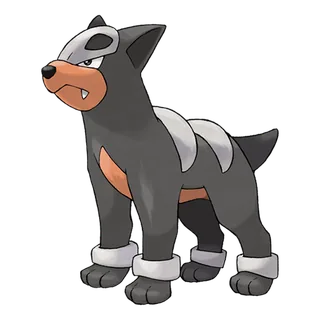
Around dawn, Houndour gives an ominous howl that echoes over the area to announce its territory. Alola researchers describe repeated eerie howls before dawn to call attention to the pack. A howl in the dark tells you the time, and who owns the hill.
JOHTO · KALOS · ALOLA POKÉDEX
Seven notes, and a silent one
Chimecho "communicate among themselves using seven different and distinguishing cries." In high winds they hang from branches or the eaves of buildings by the suction cup on their heads. Chingling can make high-pitched cries that people can't hear at all; one Hisui researcher got a headache from a Chingling that seemed to cry without a sound.
HOENN · JOHTO · KALOS POKÉDEX · HISUI NOTES
THE MONSTER IN THE DARKJohto researchers say that what sounds like Snorlax's cry may really be its snoring, or its empty stomach rumbling. Before you run from a growl in a cave, check whether the growl is asleep.
Sniff: smell clues
The 24-hour stink
Stunky sprays a foul fluid that spreads over a mile and drives Pokémon away. "The stench lingers for 24 hours." It aims for the face from more than 16 feet. So a whiff still hanging over a campsite dates the spraying to within the last day.
SINNOH · UNOVA · KALOS · GALAR POKÉDEX
The menu in the smell
Skuntank's spray reaches more than 160 feet, and Galar researchers say its smell changes with what it has eaten. The regions argue about time: Johto says the stench dulls after a few squirts, while Sinnoh, Kalos and Hoenn say it gets worse the longer it festers.
SINNOH · GALAR · JOHTO · KALOS · HOENN POKÉDEX
A stink that means fear
Gloom's stench can make people faint from 1.25 miles away (though Kanto says about one person in a thousand enjoys it). But Hoenn researchers noticed that a calm, safe Gloom doesn't stink, and the smell gets worse when it's in danger. A sudden stink means something frightened it, just now.
KANTO · GALAR · HOENN POKÉDEX
The after-the-rain flower
After a rainy day, the flower on Venusaur's back smells stronger and draws other Pokémon. And when the bud on an Ivysaur's back starts to smell sweet, its big flower is about to bloom. Scent can tell you what the weather was yesterday.
SINNOH · UNOVA · KALOS · JOHTO POKÉDEX
The super-sniffers
Slurpuff's sense of smell is said to be 100 million times better than a human's, and it helps pastry chefs. Poochyena's keen nose lets it chase chosen prey without ever losing the trail. Lillipup's long facial fur works like radar. And Scout, of course, never forgets a scent.
KALOS · HOENN · KANTO · UNOVA POKÉDEX
Perfume that tells tales
Spritzee's fragrance changes depending on what it has eaten. Young Leafeon smell like fresh grass and older ones like fallen leaves, so a nose can tell their age. Galar makes a popular perfume from Leafeon's aroma.
KALOS · ALOLA · GALAR POKÉDEX
The nose-jammer
When Octillery escapes, it spits a special ink containing a substance that dulls the sense of smell, so Pokémon with keen noses lose its trail. If Scout's trail goes cold at the harbour wall, look for ink.
ALOLA POKÉDEX
The bristling alarm
Zangoose's fur stands on end if it smells a Seviper nearby; Hoenn records a feud between the two lasting generations. A Zangoose bristling at nothing means a Seviper is hiding close by.
JOHTO · KALOS · HOENN POKÉDEX
The mushroom-finder
Swinub roots for food with its snout; its favourite is a mushroom that grows under dead grass, and it sometimes digs up hot springs. Its nose finds mushrooms, berries and hot springs even under ice, and the people of Hisui long relied on it to sniff out mushrooms. Steaming holes in the snow? A Swinub found a spring.
HOENN · SINNOH POKÉDEX · HISUI NOTES
The Alibi Clock
Many Pokémon keep strict hours. That makes them perfect witnesses, and perfect alibi-breakers. Tap a time of day to see who's up and about, and who could not possibly have seen anything.
The Alibi Clock is still being wound up. Its notes are also in the Field Manual above.
Alibi checks
Here are seven things people have really said to Palash. Before you tap, decide: is each one believable, suspicious, or busted? The clock above and the rest of the Field Manual have every fact you need.
ALIBI CHECK 1"My Gumshoos saw the thief at ten o'clock last night."Believable, suspicious or busted? Tap
Busted. Alola researchers say Gumshoos is always asleep by nightfall, which is why it never meets the Rattata it loves to eat. At ten at night this witness was snoring.
ALIBI CHECK 2"I photographed my Cherrim in full bloom on that grey, cloudy morning."Believable, suspicious or busted? Tap
Suspicious. Cherrim opens its petals fully in strong sunlight and folds back into a bud when the sunlight fades. A full bloom on a grey morning? Ask to see the photo.
ALIBI CHECK 3"My Sunflora watched the shed all evening, long after sunset."Believable, suspicious or busted? Tap
Busted. Johto researchers say Sunflora stops moving completely when the sun goes down, and closes its petals in the dark. It saw nothing after sunset.
ALIBI CHECK 4"My Murkrow was fast asleep in its roost at sunset, so it can't have taken the ring."Believable, suspicious or busted? Tap
Suspicious. Alola researchers say Murkrow wake at dusk and take to the air in the twilight, which is why people there say "Get home before the Murkrow fly." Sunset is when a Murkrow gets going, and Hoenn researchers say Murkrow will even try to steal rings.
ALIBI CHECK 5"Our Hoothoot was on guard all night, and it can't have dozed off: every Hoothoot has Insomnia."Believable, suspicious or busted? Tap
Busted, by Rule 3. A Hoothoot may have Insomnia, or Keen Eye, or (rarely) Tinted Lens, and only a Hoothoot with Insomnia can't fall asleep. Never write "every Hoothoot". Check this Hoothoot's Trainer records first.
ALIBI CHECK 6"The window smashed just as our Hoothoot started its morning hoot, so it happened at seven o'clock sharp."Believable, suspicious or busted? Tap
Believable. Hoenn researchers say a Hoothoot begins hooting at precisely the same time every day, and the Johto Pokédex says some Trainers use them in place of clocks. If this Hoothoot always hoots at seven, that's a time you can trust. (Tick would agree.)
ALIBI CHECK 7"The Combee swarm saw who crept past the hives at midnight."Believable, suspicious or busted? Tap
Busted. Combee gather nectar from sunrise to sundown, and at night they cluster together into one living hive and go to sleep. At midnight the whole swarm was asleep in a heap.
Look up: weather witnesses
Some Pokémon wear the weather on their bodies. Others hide from it. Either way, they can prove what the sky was doing, and where they were standing.
Castform, the walking forecast
Takes on the look of the sun, rain clouds or snow clouds as the weather changes. Alola researchers say its cells react to temperature and humidity; it isn't choosing. Hoenn's Weather Institute on Route 119 kept many Castform. A Castform in a photo dates the photo.
KANTO · KALOS · ALOLA POKÉDEX · WEATHER INSTITUTE
Cherrim, the sun meter
Blooms and opens its petals fully in strong sunlight; folds back into a bud when the light fades, and as a bud barely moves, simply waiting for the sun. Hisui records many Pokémon gathering round it, drawn by the scent of its folded petals.
SINNOH · GALAR POKÉDEX · HISUI NOTES
Vaporeon, the rain alarm
When Vaporeon's fins begin to vibrate, rain is coming within a few hours. Useful when you need to photograph footprints before they wash away.
JOHTO · GALAR · ALOLA POKÉDEX
Masquerain's sad eyes
The eye patterns on its antennae usually look angry. If they look droopy and sad, heavy rain is said to be on its way. It can't fly with wet wings, so it shelters under big trees and eaves, then turns towards the sun to dry off.
HOENN · KANTO · ALOLA POKÉDEX
Surskit on the puddles
Gathers on puddles after evening downpours and skates across the water. After a long rain, Hoenn's forests fill with Shroomish feeding on damp compost. Both are proof of rain.
HOENN POKÉDEX
The green giveaway
Cufant's copper body tarnishes to a bright green in the rain. A green-tinged Cufant whose Trainer swears it "stayed indoors all day" has some explaining to do.
GALAR POKÉDEX
Stay-at-homes on rainy days
Skarmory rusts easily, so it stays in its nest on rainy days (Alola). Galar researchers add: Duraludon lives in caves because it dislikes rain, Crustle won't come out of its rock, and heavy rain makes Palossand lose its castle shape.
ALOLA · GALAR POKÉDEX
Fog in the rain
Magcargo's body is so hot that raindrops turn instantly to steam, covering the area in thick fog. And when it rains, steam is said to rise from the tip of Charmander's tail. A patch of fog or a puff of steam in a downpour marks a fiery visitor.
HOENN · KANTO · GALAR POKÉDEX
Snorunt, the snow sign
In snowy regions people say that if Snorunt are seen late at night, snow will fall by morning, and Snorunt seen at midnight bring heavy snow. These are beliefs, not proofs, but snow-country people have trusted them for a long time.
HOENN · JOHTO · GALAR POKÉDEX
7 Case Four · Sinnoh
CASE No. 4 · SINNOH
UNSOLVED
The Crying in Thistledown Hall
CLIENTMs. Odile Fenn, new ownerPLACEAn empty old house on a hill outside Hearthome CityWHENEvery night since she got the keys
The Route RunnerSinnoh Edition
Haunted Hall! The Ghost That Weeps
Phantom lights, sobbing in the night and machines that move by themselves. "I will never set foot in that house again," says our reporter, who is going back tonight.
By Tamsin Quill
Dear Mystery Desk,
My great-aunt left me Thistledown Hall. Nobody has lived in it for years, and I want to open it as a reading room for the children of Hearthome. But the house will not keep still. At night somebody cries in the empty nursery. A light flickers in the attic, where there are no lamps. The old washing machine spins with nothing in it, and the television changes channels when nobody is touching it. The children's parents have heard the stories. Please tell me what lives in my house, and whether we can share it.
Odile Fenn
LETTER · SEALED WITH A THISTLE STAMP
NIGHT FALLS ON THE HILL
Thistledown Hall stood alone at the top of the hill: three storeys of grey stone, tall chimneys, and a lot of windows that all seemed to be looking at you. Odile Fenn met them at the gate with a lantern. She was young and brave and, Palash thought, very tired of being frightened in her own house.
The Mystery Desk had brought its whole night kit: Scout, Nox, two torches each, a thermos of tea, and Tick the Hoothoot in a travelling basket, "because if anything in this house is playing with the clocks," said Professor Larch, "I want to know." Tamsin and Scoop had come too. Tamsin had also brought a protective charm she'd bought at a market, which smelled so strongly of herbs that Scout sneezed at it all night.
"Nobody separates," said Professor Larch. "Nobody screams unless it's useful. And everybody writes down the time of everything."
11:02 P.M. · THE NURSERY
It began exactly as Odile had said. From the top of the stairs came the sound of somebody crying. Not loud. A small, sad, hiccupping sob, coming from behind the nursery door.
Odile took a deep breath and flung the door open. Torchlight swept the room: a rocking horse, a bare cot, a bookcase of old picture books. Nobody. The sobbing stopped.
Odile backed out, trembling, and the moment she was in the corridor the crying started again, louder, almost delighted. Tamsin gave a shriek and clapped a hand to the back of her head. "Something pulled my hair!" she gasped. "Something yanked my ponytail!"
And high up near the nursery ceiling, Palash saw them: two small red lights, like beads, glowing brighter the louder Tamsin shrieked.
Palash did something nobody expected. He walked into the nursery, sat down cross-legged on the rug, took a picture book off the shelf, and began to read it aloud, slowly and calmly, as if he were reading to his little brother at bedtime. Scout lay down beside him.
The sobbing faltered. It tried again, half-heartedly. Palash turned a page and kept reading. The red lights dimmed, hung uncertainly in the corner, and then the crying stopped altogether and did not come back for as long as he stayed calm.
"Interesting," said Professor Larch, writing 11:09 in her notebook.
11:40 P.M. · THE ATTIC
From the lane outside, the attic window flickered: a faint, wavering light, coming and going, though Odile swore there was no lamp, no candle and no wire in the whole attic. "A candle-ghost!" said Tamsin. "I've read about them. A Litwick, luring travellers with its little flame!"
Palash climbed the attic ladder with his torch off. The flickering light was there, near the window, and then it was gone. The attic was dusty, empty and cold. But it smelled sweet, faintly, like spun sugar, in a room full of nothing but dust.
The light never moved towards the door. It never tried to lead anybody anywhere. It just flickered, and faded, and flickered.
Later that night the wind got up and rattled every shutter on the hill. The attic light didn't appear once. But when Palash shone his torch out of a top window, he caught sight of something odd under the eaves of the house: a few faint, drifting wisps of purplish gas, huddled tight under the overhanging roof, out of the gale.
1:15 A.M. · THE SCULLERY AND THE PARLOUR
The washing machine in the scullery was ancient, enamel, the size of a small cupboard. At a quarter past one it started to thump. Then it started to spin, rocking on its feet, its drum whirling round and round with nothing in it. Its plug was lying on the floor, nowhere near the socket.
At the same moment, in the parlour, the old television flicked itself on. Static. A cooking programme. Static. A weather forecast. Static. For one blink, deep inside the screen, Palash glimpsed a small orange glow with a pair of eyes in it, and then the screen went black and the washing machine stopped dead, as if somebody had been watching them and was very pleased with the effect.
"Shadows on the screen!" said Tamsin. "I've read that too. Eerie shadows appear on televisions near a Kadabra!"
"Then let's check the clocks," said Palash.
So they did. They checked the tall clock in the hall, the kitchen clock and Odile's wristwatch every hour until morning. At seven o'clock exactly, Tick the Hoothoot threw back its head in the basket and hooted, and the hall clock struck seven at the very same moment. Every clock in Thistledown Hall had kept perfect time all night.
Palash checked one more thing: the tin of pins and needles in Odile's sewing basket, which sat right beside the scullery door. "Route 10," he explained, when Odile looked puzzled. Not a pin had moved.
There is a famous house like this one in Sinnoh already: the Old Chateau, an abandoned mansion deep in Eterna Forest. Locals call it haunted. Visitors talk of a statue that seems to glare and a portrait whose eyes follow you, and in one room stands a television with an oddly unfriendly feel to it. In the library lies a torn notebook, half of it unreadable, which seems to say that something peculiar ran off with "the motor". Gastly and Haunter live there too.
PROFESSOR LARCH, TELLING THE STORY BY TORCHLIGHT AT 3 A.M.
By dawn, Palash had three pages of notes and a feeling that he had been asking the wrong question. Odile kept asking "What is haunting my house?" But the nursery, the attic and the scullery were completely different kinds of strange. Perhaps the question was "Who", and the answer was more than one.
Clue board · Case 40 / 7 clues inspected
EXHIBIT ASobbing in the empty nurseryTap to inspect
A small voice sobs in the nursery at night. Nobody is in the room. When Odile backs out scared, it cries harder. Tamsin's hair was yanked from behind.
EXHIBIT BTwo red lightsTap to inspect
Two small red glows near the nursery ceiling, brightening as Tamsin shrieked. When Palash sat calmly reading aloud, the crying faltered and stopped.
EXHIBIT CThe attic lightTap to inspect
A faint light flickers by the attic window, where there are no lamps, candles or wires. It never moves towards the door or tries to lead anyone anywhere.
EXHIBIT DThe sweet smellTap to inspect
The empty, dusty attic smells faintly sweet, like spun sugar. On the windy night: no attic light, but faint purplish wisps huddled under the eaves, out of the gale.
EXHIBIT EThe dancing washing machineTap to inspect
An old washing machine thumps and spins with nothing in it, while its plug lies on the floor. At the same moment the television flicks channels by itself.
EXHIBIT FThe orange glowTap to inspect
For one blink, a small orange glow with eyes appeared deep inside the TV screen. Then everything stopped dead, as if someone was enjoying the surprise.
EXHIBIT GClocks and pinsTap to inspect
Every clock in the Hall kept perfect time all night, matching Tick's seven o'clock hoot exactly. Odile's tin of pins beside the scullery never moved.
QUESTION 1 OF 3 · THE NURSERY
Who is sobbing in the empty nursery?
Duskull is a chaser: once it picks a target it follows it until dawn. Nothing followed anybody. The crying stayed in one room, and it stopped when Palash refused to be frightened.
Haunter is the one you feel watching you from the dark. But sobbing from an empty room, red glows, and hair pulled from behind are three very particular Pokédex entries.
Rotom slips into machines. The nursery has a rocking horse, a cot and books: not a single machine.
QUESTION 2 OF 3 · THE ATTIC
Who is behind the flickering attic light and the sweet smell?
A Litwick shines its light while pretending to be a guide, to draw people after it. This light never moved towards the door. And a candle doesn't explain the sweet smell or the wisps under the eaves.
Kanto researchers say odd things happen near a Kadabra, such as clocks running backwards, and every clock in the Hall kept perfect time (Exhibit G). And no Pokédex says a Kadabra smells of sugar.
The Misdreavus is busy in the nursery. Nothing in the attic cried. Think about Exhibit D: a sweet smell where nothing can be seen, and wisps that hide from the wind.
QUESTION 3 OF 3 · THE MACHINES
What is making the washing machine spin and the television change channels?
Johto and Kalos researchers say Kadabra's alpha waves can make machines malfunction, and Sinnoh and Alola researchers say eerie shadows appear on TV screens near it. But a shadow isn't a small orange glow with eyes, and a machine that's going wrong doesn't spin happily with its plug on the floor. Kanto researchers add that clocks can run backwards near a Kadabra, and every clock in the Hall matched Tick to the second.
Remember Route 10: Magnemite drag iron towards them. Odile's tin of pins never twitched.
Haunter slips through walls and lurks inside them. But a small orange glow inside a TV screen, and a washing machine running with no plug?
CASE CLOSED
Not one ghost but three tenants: a Misdreavus, some Gastly and a Rotom
"Your house isn't haunted," Palash told Odile over breakfast. "It's lived in. You've got three different tenants, and every one of them is doing exactly what its Pokédex says."
THE NURSERY: MISDREAVUS"If you hear a sobbing sound emanating from a vacant room, it's undoubtedly a bit of mischief from Misdreavus," says the Alola Pokédex; it imitates the voices of weeping people. Johto researchers say it loves to startle people at night, screaming, wailing, or yanking hair from behind (poor Tamsin). Hoenn researchers say it absorbs fear through the red orbs on its body, and Hisui's notes describe those orbs glowing eerily as it watches frightened travellers. And the Alola Pokédex gave Palash his trick: Misdreavus doesn't deal well with people who aren't easily frightened. Calm reading spoiled all its fun.
THE ATTIC: GASTLY"Although Gastly is barely visible, when it's near, a faint sweet smell lingers," says the Alola Pokédex, which also says a strange flickering light in an abandoned building means a Gastly is lurking there. And on the windy night? Hoenn researchers note that strong wind blows a Gastly's gas body away, so groups of them cluster under the eaves of houses to shelter. That's where Palash's torch found them.
THE MACHINES: ROTOMRotom's body is made of plasma. "It is known to infiltrate electronic devices and wreak havoc," says the Sinnoh Pokédex, and later Sinnoh and Unova records add that it can take control of some machines to make mischief. Galar researchers say it loves to surprise people, and Hisui's notes call it smart and mischievous. An unplugged washing machine spinning, a TV changing channels, an orange glow in the screen: Rotom, enjoying the show, just like the Rotom in the Old Chateau's unfriendly-feeling television.
Duskull & Haunter: clearedDuskull chases a target until dawn; nothing was chased. Haunter lurks in walls and makes you feel watched; the Hall's events were crying, a smell and machines.
Litwick: clearedLitwick's light pretends to be a guide and draws people after it. The attic light never went anywhere, and only Gastly explains the sweet smell.
Kadabra & Magnemite: clearedKadabra's alpha waves can make machines malfunction, and it leaves eerie shadows on TV screens. But the washing machine wasn't breaking down: it was spinning with no plug at all. The screen showed a small orange glow with eyes, not a shadow. And the clocks, which can run backwards near a Kadabra, kept perfect time with Tick. As for Magnemite, it would have taken Odile's pins on a trip.
No. 0200MisdreavusGhost
"If you hear a sobbing sound emanating from a vacant room, it's undoubtedly a bit of mischief from Misdreavus."
ALOLA POKÉDEX
Hoenn researchers say it absorbs fear through the red orbs on its body. Sinnoh and Kalos records add that it sleeps in darkness during the day, which is why the nursery only ever sobbed at night. Its Ability is Levitate.
No. 0092GastlyGhostPoison
"Although Gastly is barely visible, when it's near, a faint sweet smell lingers."
ALOLA POKÉDEX
Hoenn researchers add that strong wind blows its gas body away, so groups of Gastly cluster under the eaves of houses to shelter.
No. 0479RotomElectricGhost
"It is known to infiltrate electronic devices and wreak havoc."
SINNOH POKÉDEX
Its body is made of plasma. Galar researchers say one boy's invention led to many machines that use Rotom's abilities, so a Rotom in a washing machine may simply be ahead of its time.
Odile didn't want any of them to leave. "They were here first," she said. Professor Larch told her about an old Hisui custom: people would invite a Mismagius, the Pokémon a Misdreavus can grow into, into their homes, because its chants were said to ward off misfortune (as long as nobody displeased it). So the Thistledown Hall Reading Room opened a month later with a calm, quiet rule (Read Aloud, Gently), and the nursery has never sobbed at a reader since. The Gastly have the attic, with the shutters fixed so the wind can't get in. And the Rotom has the old washing machine all to itself, and switches on the parlour TV every Saturday morning, just before the children arrive.
The Route Runner
Haunted Hall Has Three Tenants, and They're All Pokémon
A Misdreavus, a few Gastly and one cheeky Rotom. New reading room open Saturdays. "Read calmly," advises junior detective.
Twelve invited, thirteen in the photo. Snacks devoured. "Who was he?" asks our reporter. "And where did he go?"
By Tamsin Quill
THE PHOTOGRAPH
Mrs. Bell laid the photograph on the Mystery Desk's table the way a detective lays down the last piece of evidence. "Count them," she said.
Palash counted. It was a cheerful picture: a rooftop garden high above the streets of Castelia City, skyscrapers glittering behind, a long table covered in balloons, Castelia Cones and plates of macarons, and a row of grinning children in paper crowns. Lumi, the birthday girl, was in the middle with ice cream on her nose.
"Thirteen," said Palash.
"I sent twelve invitations," said Mrs. Bell. "I have the list. Twelve children came up in the lift, and I ticked every one of them off. So who," she tapped the end of the row, "is that?"
At the far end of the table sat a small boy in a green cap pulled low over his eyes. He was smiling, sort of. He had a macaron in each hand.
THE WITNESSES
The next day Palash interviewed everybody he could find. The children agreed on three things about the boy in the green cap.
First, he never said a single word. Not hello, not happy birthday, not even his name when Mrs. Bell asked him for her thank-you-card list. He just nodded and smiled.
Second, he spent the whole party at the food. "He filled his pockets," said Lumi. "With sandwiches. Who puts sandwiches in their pockets?" The snack plates had emptied twice as fast as Mrs. Bell had planned.
Third, nobody saw him leave. When Mrs. Bell went over to ask his name a second time, he slipped behind the long curtain by the rooftop door, and when she pulled it back there was nobody there. The rooftop gate was still latched. Only Lumi, who was looking the other way, thought she saw "something small and dark" dart along the fire escape.
There was also the entertainment. Mrs. Bell had hired Marvo the Magnificent, a party magician, and Marvo's star performer was his Ditto. During the show, the Ditto had been a top hat, a bunch of flowers, and a very convincing birthday cake.
"It's the Ditto, isn't it?" said Tamsin, who had followed Palash to the interviews. "It turned into a boy to steal the macarons. A shape-shifting snack thief!"
Marvo was outraged. "My Ditto," he said, "was in my act the entire afternoon."
No. 0132DittoNormal
"However, if made to laugh, it can't maintain its disguise."
JOHTO POKÉDEX
Ditto rearranges its cells to copy whatever it sees. Hoenn researchers say that if it transforms from memory it gets details wrong; Unova and Galar say it returns to normal when it relaxes; Alola says every Ditto has its own strengths and weaknesses. When it sleeps, Johto says, it turns into a stone to avoid attack.
So Palash asked about the act, and the children told him the best bit. At the end of the show Marvo told a joke so silly (it was about a Slowpoke trying to order a pizza) that every child at the party shrieked with laughter. And the bunch of flowers in Marvo's hand giggled, wobbled, and melted into a purple blob with two dot eyes, which got the biggest laugh of the day.
"Did the boy in the green cap laugh?" asked Palash.
The children thought about it. "Yes," said Lumi at last. "He laughed. His shoulders went up and down. He just didn't make any noise."
"And did he change? Even a bit?"
"No. He just kept eating."
THE OTHER SUSPECTS
The building had its own famous thief: a stray Purrloin that lived on the fire escape and "borrowed" shiny things from balconies. Everybody in the building knew about it, and somehow everybody forgave it, because it was so cute about it. Tamsin was sure it was involved.
Palash got out his magnifying glass and looked very hard at the party photograph. There, on the windowsill behind the table, curled up in the sun and looking extremely innocent, was the Purrloin. In the same picture as the boy in the green cap.
Last on Tamsin's list was Theo, the boy from the next-door flat, who hadn't been invited and was "just the right size". But Theo had spent the whole of Saturday afternoon at his swimming lesson on the other side of the city. His coach, his goggles and a very wet towel all confirmed it.
And then there was a red herring Palash nearly fell for. Lumi's cousin Remy, who never stops talking, had gone completely silent for ten minutes in the middle of the party. Palash remembered an Alola warning, and for a moment his heart raced. Then Remy's mum explained: he'd been working his way through an entire slice of birthday cake, and you can't talk with a mouthful of that much icing. Remy, interviewed separately, talked for twenty minutes about the cake.
Clue board · Case 50 / 6 clues inspected
EXHIBIT ATwelve invited, thirteen in the photoTap to inspect
Twelve invitations, twelve names ticked off at the lift. Thirteen children at the table. Number thirteen wears a green cap pulled low.
EXHIBIT BNot one wordTap to inspect
The boy in the green cap never spoke, not even to give his name. He only nodded and smiled.
EXHIBIT CPockets full of sandwichesTap to inspect
He stayed by the food all afternoon and filled his pockets. A child-shaped visitor whose only interest was finding food, in the middle of a big city.
EXHIBIT DThe laughing testTap to inspect
At Marvo's joke, the magician's bouquet giggled and melted into a Ditto. The boy in the green cap laughed silently too, and didn't change at all.
EXHIBIT ETwo in one photoTap to inspect
The building's Purrloin is in the party photo, asleep on the windowsill, at the very moment the green-cap boy sits at the table. Theo was across the city at swimming.
EXHIBIT FGone behind the curtainTap to inspect
Asked his name a second time, the boy slipped behind a curtain and vanished. The gate stayed latched. Lumi glimpsed "something small and dark" on the fire escape.
THE ACCUSATION
Who was the thirteenth guest?
The Johto Pokédex says a Ditto made to laugh can't keep its disguise. Marvo's Ditto laughed and melted, and it was a bunch of flowers at the time. The green-cap boy laughed and stayed a boy.
Theo was at his swimming lesson across the city, and his coach confirms it.
Look at Exhibit E: the Purrloin is asleep on the windowsill in the same photo as the boy. Nobody can be in two places in one picture. And a Purrloin can't look like a child.
CASE CLOSED
The thirteenth guest was a hungry Zorua
Palash didn't need to catch anybody. He just asked Mrs. Bell to put one extra plate of sandwiches on the fire escape that evening and to keep very still behind the kitchen window. At dusk, a small boy in a green cap climbed up the fire escape, looked around, and reached for the plate. Then, as if a plate left out just for it meant it was among friends, the boy simply… wasn't there any more. In his place sat a small, dark-grey Pokémon with red-tipped fur, eating sandwiches as fast as it could.
THE FACTS THAT CRACKED ITThe silence: Zorua transforms into people and other Pokémon to protect itself, and the Unova Pokédex says it often becomes a silent child. The food: the Galar Pokédex says that in cities, Zorua may take the form of a child to search for food. And a Galar entry explains why it hides at all: it is timid, and its timid nature led to its shape-shifting. The plate: Alola researchers say Zorua is cowardly, and when it isn't around friends it basically always stays transformed. A plate of sandwiches set out just for it was the friendliest thing on that rooftop. The test: the laugh test exposes a Ditto, not a Zorua. Zorua's disguises come from its Ability, Illusion, which only Zorua and Zoroark have.
No. 0570ZoruaDark
"If a normally talkative child suddenly stops talking, it may have been replaced by Zorua."
ALOLA POKÉDEX
(Which is why Palash checked on Remy. Sometimes a quiet child is just eating cake.)
Ditto: clearedMade to laugh, a Ditto can't hold its disguise. Marvo's Ditto melted out of its flower disguise right on cue. The green-cap boy laughed and didn't change at all.
Purrloin: clearedPurrloin do steal for fun, with a perfect cute act that makes their victims forgive them (Unova and Kalos researchers agree). But this one was asleep on the windowsill in the very same photo.
Theo: clearedSwimming lesson, other side of the city, wet towel. Always check the alibi.
Mrs. Bell decided that any guest who wanted macarons that badly was welcome. Now there is always a thirteenth plate on the fire escape on party days, and Lumi has started leaving a paper crown beside it. Nobody has seen the boy in the green cap since. But the crown is always gone by morning.
The Route Runner
Party's 13th Guest Was a Hungry Zorua, and It Loved the Macarons
Magician's Ditto cleared by "the laughing test". Purrloin caught napping in photo. Extra plate now set every party day.
The Mystery Desk didn't invent detective work. On the top shelf, in a box marked DO NOT LOSE, Professor Larch keeps her collection of the great cases: real puzzles from every corner of the world, solved by Gym Leaders, Champions, scientists, shopkeepers and young Trainers. Every one of them taught detectives something.
Palash spent a whole rainy week reading the box from top to bottom. Some of the cases were famous; everyone has heard about the lake full of Gyarados. Some were tiny, like the man in Oldale Town and his sketchbook. But Professor Larch says the small ones are often the most useful, "because the big ones teach you to be brave, and the small ones teach you to be careful." Here they are, with the lesson Palash wrote under each. A few of them stop at the very question the detectives had to answer: try to answer it before you tap. For the rest, try to guess the lesson.
OLDALE TOWN HOENN
The Rarest Footprints in Hoenn
In Oldale Town, a researcher once blocked the road to Route 102 because he was busy sketching what he believed were the footprints of a rare Pokémon. Nobody could get past until he'd finished. When he was done, he admitted that the footprints had only been his own.
Tap for the lesson
Rule 1 of the Mystery Desk: check your own footprints first. The most exciting explanation is not always the true one.
ROUTE 36 JOHTO
The Weird Tree on Route 36
A strange tree stood in the middle of Route 36, blocking the road completely, and it wriggled when people spoke to it. Floria, from the Goldenrod Flower Shop, sprinkled water on it, and saw it jump. Your turn: what would you borrow from the Flower Shop, and what is the "tree" really?
Tap for what happened, and the lesson
A Squirtbottle. Given a good soaking from the shop's Squirtbottle, the "tree" was revealed to be a Sudowoodo. Lesson: test the suspect against its Pokédex. Sudowoodo pretends to be a tree, but it hates water; Johto and Galar researchers add that if a branch shakes when there is no wind, it's a Sudowoodo, not a tree.
LAKE OF RAGE JOHTO
The Lake Full of Gyarados
Johto's Lake of Rage, also called Gyarados Lake, suddenly filled with Gyarados, and nothing else. (A local family has its own story about the lake: that it began as a crater made by rampaging Gyarados, which filled with rainwater.) Your turn: which Pokémon was missing from the lake, and what did that tell Lance?
Tap for what happened, and the lesson
Not one single Magikarp. Lance worked out that the lake's Magikarp were being forced to evolve by a mysterious radio signal coming from Mahogany Town. The signal came from a transmitter hidden in a secret Team Rocket base, and it was powered by Electrode. The transmitter had no switch. "We have to make all the Electrode faint," Lance said, and a young Trainer battled them until the signal stopped. Lesson: notice what's missing. A lake with Gyarados is normal. A lake with Gyarados and no Magikarp at all is impossible, unless something is forcing them to evolve.
AZALEA TOWN JOHTO
The Vanishing Slowpoke of Azalea
Azalea Town is proud of its Slowpoke. Its well is called the Rainmaker Well, because locals believe a Slowpoke's yawn brings rain, and the town's records say a Slowpoke's yawn ended a drought 400 years ago. So when the Slowpoke disappeared, the whole town worried. The culprits were Team Rocket, hiding in the Slowpoke Well and cutting off Slowpoke tails to sell. (They argued that the tails grow back quickly.) Once the gang was driven out, Kurt's granddaughter was overjoyed: her Slowpoke had come home, and its tail was already growing back.
Tap for the lesson
Follow the merchandise. On Route 32, a man was trying to sell a "tasty" Slowpoke Tail for ₽1,000,000. Where stolen things are being sold, the thief is never far away.
OLIVINE CITY JOHTO
The Lighthouse That Went Dark
Olivine Lighthouse, the Glitter Lighthouse, was built to honour the Pokémon that used to light the sea around Olivine at night. Its light was kept by Amphy, the Ampharos belonging to Jasmine, the city's Gym Leader. One day Amphy fell ill and could hardly breathe, and ships were in danger. The only cure was the SecretPotion from the Cianwood Pharmacy across the sea, which the pharmacist gives out only in emergencies, and Amphy would take medicine from nobody but Jasmine.
Tap for the lesson
When a light goes out, ask about the light-keeper before you shout "sabotage". Ampharos's tail light can be seen from far away and has been used as a beacon since ancient times; a sick Ampharos means a dark sea.
CIANWOOD CITY JOHTO
Shuckie, Kept Safe
In Cianwood City lives a man who collects Shuckle. One day a frightening visitor came to his door. In his own words: "A guy about your age with piercing eyes and long hair came in. He scared me into giving him my prized Pokémon!" Worried it would happen again, he lent his Shuckle, Shuckie, to a young Trainer for safekeeping. Shuckie was holding Berry Juice.
Tap for the lesson
Protecting a treasure can matter more than catching a thief. And the Berry Juice is a clue in itself: Shuckle stores berries inside its shell, where they slowly turn into thick, delicious juice.
ILEX FOREST JOHTO
The Runaway Farfetch'd
The charcoal maker of Azalea Town keeps a Farfetch'd that cuts trees for his charcoal. One day it ran away from his apprentice, deep into Ilex Forest, and the apprentice was too scared of the big, dark forest to go after it. A young Trainer tracked it down. In the same forest, a man explains a useful search trick: shaking trees with Headbutt sometimes makes sleeping Pokémon fall out.
Tap for the lesson
A missing Pokémon is usually lost, not stolen. And when you're searching a forest, remember that some Pokémon sleep up in the trees.
VERMILION CITY KANTO
The Snorlax in the Doorway
A sleeping Snorlax once blocked the entrance to Diglett's Cave near Vermilion City, and nothing could shift it. In Lavender Town, a youngster explained that a Poké Flute is needed to wake sleeping Pokémon, and the Lavender Radio Tower was broadcasting Poké Flute music. When a Pokégear tuned to that music was held near the Snorlax, it woke up.
Tap for the lesson
The answer to a problem in one town can be broadcasting from another. Detectives collect facts from everywhere, not just the scene.
ROUTE 120 HOENN
The Invisible Wall on Route 120
Near Fortree City, something nobody could see was blocking the path. Steven Stone used a gadget called the Devon Scope, and an invisible Pokémon became fully visible: a Kecleon. It was startled, and attacked. Afterwards, Steven gave the Devon Scope to a young Trainer, saying there might be other hidden Pokémon around.
Tap for the lesson
"I can't see it" doesn't mean "it isn't there". Kecleon changes colour to blend in, but never its belly zigzag, and it snaps back to its true colours when startled.
WEATHER INSTITUTE ROUTE 119, HOENN
The Weather Detectives
The scientists at Hoenn's Weather Institute study the region's weather and kept many Castform. After the great crisis, they noticed something odd: isolated droughts in some places, heavy rainfall in others. They suggested that something nearby might be causing them. That is how the weather pointed to where Groudon and Kyogre had gone: the droughts led to one, the heavy rain to the other. (A resident of Pacifidlog Town even wonders whether Mirage Island appears or disappears depending on the weather.)
Tap for the lesson
Put the strange reports on a map. One odd rainstorm is weather; a pattern of odd rainstorms is a trail.
VALLEY WINDWORKS SINNOH
The Balloon That Comes One Day a Week
The worker at Sinnoh's Valley Windworks says a balloon Pokémon appears in front of the building on one particular day of the week. He can never remember which day, and wonders whether the windworks' wind power has something to do with it. He never says the day. But anyone who keeps a careful diary soon finds out: the Drifloon comes on Fridays. (The Windworks has had a real detective visit, too: Looker, of the International Police, turned up there once while investigating Team Galactic.)
Tap for the lesson
Keep a log. Write down every sighting with the day and time, and the pattern will appear by itself.
UNION CAVE JOHTO
The Friday Roars
A Pokémaniac in Union Cave says that every Friday you can hear Pokémon roaring from deep inside the cave. On Fridays a Lapras appears on the cave's lowest level. Hoenn researchers say Lapras sings sadly in the evenings as it searches for the few others of its kind that remain.
Tap for the lesson
A sound that is heard only on one day of the week is a timetable clue. Ask: who keeps that timetable?
MT. MOON SQUARE KANTO
The Monday Night Dance
A worker in the Mt. Moon gift shop says Clefairy come out when the sun goes down. At Mt. Moon Square, Clefairy gather to dance around a rock on Monday nights. Alola researchers add that the area around a Clefairy dance has an unusual magnetic field. Your turn: you missed Monday night. What could you find in the square on Tuesday morning that proves the Clefairy danced?
Tap for what happened, and the lesson
A Moon Stone. After the Clefairy have danced, a Moon Stone can be found hidden in the square. Lesson: evidence can prove an event you never saw.
CROWN TUNDRA GALAR
Sonia's Footprint Hunt
In the Crown Tundra, Sonia found mysterious footprints near a house in Freezington, and set out to track three different kinds: Iron Will Footprints, Cavern Footprints and Grassland Footprints. Every pair of prints added a little more information. Once she had gathered enough, she worked out where each of their makers roamed: Cobalion at the Frigid Sea, Terrakion at Lakeside Cave, and Virizion at the Giant's Bed.
Tap for the lesson
One footprint tells you little. Fifty footprints, carefully recorded, tell you exactly where to go.
Palash's favourite thing about the box: in almost every great case, the Pokémon in the middle of the mystery did nothing wrong. Sudowoodo was pretending to be a tree because that's what Sudowoodo do. The Gyarados were victims. The Snorlax was asleep. The Drifloon just likes Fridays. The people who did wrong were, every single time, people.
10 Case Six · Alola
CASE No. 6 · ALOLA
UNSOLVED
Three Pikachu
CLIENTMalia, aged 10PLACEThe Pokémon Center, Hau'oli CityWHENTwo days after the festival
The Route RunnerAlola Edition
Pikachu Clones Invade Hau'oli!
Girl loses one Pikachu, gets three back. "Science has gone too far," warns our reporter.
By Tamsin Quill
THE POSTER
The poster on the noticeboard of the Hau'oli City Pokémon Center said LOST: PIKACHU, ANSWERS TO "ZAP", in big hand-drawn letters, with a drawing of a Pikachu holding a berry. Under it, Malia had written, smaller: Please. He's my best friend.
Zap had vanished in the crowds on the last night of the festival. Malia had searched for two whole days. And then, in one single morning, three different people walked into the Pokémon Center, each carrying a Pikachu, each saying, "I think I've found him!"
That was when Malia's grandmother wrote to the Mystery Desk.
Palash arrived to find three Pikachu sitting in a row on the Pokémon Center's long sofa, and one very confused girl standing in front of them. They really did look the same: yellow, red cheeks, long ears, bright eyes, a tail like a bolt of lightning. Malia's eyes kept going from one to the next. "I don't know," she whispered. "I just don't know. It's been two days and I'm so tired and they all look like him."
Palash sat down beside her and opened his notebook to a clean page. "Then let's stop looking," he said, "and start testing. Tell me everything Zap does that other Pokémon don't."
WHAT ZAP DOES
Malia thought hard. "He won't eat a hard berry straight away," she said. "He gives it a little zap first, till it's warm and soft. And when he meets another Pikachu, he always touches tails with it. Every time. Like saying hello."
Both of those, Palash knew, were in the Pokédex. Johto researchers and Hisui's survey both say Pikachu roast hard berries with electricity to soften them. And the Galar Pokédex says Pikachu greet each other by touching tails and exchanging electricity.
Then he wrote down where each Pikachu had been found:
Pikachu A was brought in by a girl from the berry fields just outside town, near the festival grounds where Zap went missing. Pikachu B was brought in by a teenager who had been exploring the old, abandoned Thrifty Megamart, two whole islands away on Ula'ula. Pikachu C was brought in by a hiker who had found it on Route 2, sitting by itself at the side of the path.
THE TESTS
The berry test. Palash put a hard, unripe berry in front of each Pikachu. A sniffed it, gave it a tiny crackling zap (a puff of steam rose off it) and then munched it happily. B hugged the berry to its chest and didn't eat it at all. C bit into it raw and made a face.
The hello test. The Pokémon Center nurse's own Pikachu came trotting across the lobby to see what was going on. A turned round at once and touched tails with it, with a tiny spark. B shrank back against the sofa. C watched carefully, then copied, but it touched the other Pikachu's tail with its ear.
The bump. Halfway through the hello test, B scrambled backwards and bumped its head hard on the edge of the reception desk. Malia gasped. The Pikachu's head flopped over sideways, and stayed flopped, lolling at a strange angle as if it weren't quite attached. And yet B didn't stop. It sat up straight, flopped head and all, and went on behaving exactly like a Pikachu: twitching its tail, holding its berry, trying very hard to look normal.
The close look. Palash got out his magnifying glass and studied C from nose to tail. Its ears had no black tips. Its tail ended in a smooth, round blob instead of a lightning-bolt point. And its back had no brown stripes at all. It was a Pikachu the way a drawing from memory is a Pikachu: right overall, wrong in the details.
The nap. By mid-afternoon the lobby was warm and sleepy. Palash had been saving Marvo's Slowpoke joke from the Castelia party for one last test, but he never needed it. A curled up against Malia's leg with its ears drooping. B sat bolt upright on the sofa, flopped head and all, as if it didn't dare close its eyes. And C ate a second berry, stretched out on the warm sofa cushion and let out a long, contented sigh. As it relaxed, it began to sag, and droop, and go purple at the edges, until the back half of the Pikachu had melted into the cushion like a blob of jam.
Clue board · Case 60 / 6 clues inspected
EXHIBIT AWhat Zap doesTap to inspect
Zap softens hard berries with a little zap before eating them, and always greets other Pikachu by touching tails. Both are Pikachu habits recorded in the Pokédex.
EXHIBIT BWhere they were foundTap to inspect
A: the berry fields near the festival grounds. B: the abandoned Thrifty Megamart, two islands away. C: alone at the side of Route 2.
EXHIBIT CThe berry testTap to inspect
A zapped the hard berry till it steamed, then ate it. B hugged its berry and never ate it. C bit it raw and pulled a face.
EXHIBIT DThe hello testTap to inspect
The Center nurse's Pikachu came to say hello. A touched tails with it, with a spark. B shrank away. C copied, but used its ear.
EXHIBIT EThe flopped headTap to inspect
B bumped the reception desk. Its head flopped sideways and stayed that way, but B carried on acting like a Pikachu anyway.
EXHIBIT FWrong details, and a sighTap to inspect
C has no black ear tips, a round-ended tail and no back stripes. When it stretched out on the warm sofa and relaxed, it sagged, went purple, and melted.
QUESTION 1 OF 3
Which one is Zap?
B never zapped its berry and shrank away from the tail-touch hello. Zap does both. And something very strange happened to B's head…
C ate its berry raw, said hello with its ear, has the wrong ears, tail and back, and then it melted. Zap does not melt.
Check Exhibits C and D: one of the three passed both of Zap's tests perfectly.
QUESTION 2 OF 3
So what is Pikachu B, really?
A Zorua's disguise doesn't flop. Think about a Pokémon whose disguise is a costume, with a head that can't stay up once it's been damaged.
A Ditto's disguise melts away when it laughs or relaxes, and B never melted at all. B's giveaway was its head.
A real Pikachu's head doesn't flop sideways after a bump and stay that way. Where was B found? Who lives in the abandoned Thrifty Megamart?
QUESTION 3 OF 3
And Pikachu C?
Zorua doesn't melt into purple when it gets comfortable. Which Pokémon's disguise slips when it relaxes, and gets details wrong when it copies from memory?
A Mimikyu's disguise is a costume. Costumes don't melt. Look at Exhibit F.
An Alolan Raichu is a different shape altogether, and it certainly doesn't turn purple when it settles down on a sofa.
CASE CLOSED
A is Zap. B is a Mimikyu. C is a Ditto.
When Palash said "A," Malia didn't wait for the explanation. She scooped up Pikachu A, and Pikachu A pressed its cheek against hers with the tiniest crackle of static, and that, she said afterwards, was all the proof she ever needed. But Palash explained anyway, because that's the job.
A: THE REAL ZAPHe softened his hard berry with a zap, as Johto researchers and Hisui's survey say Pikachu do. He greeted the nurse's Pikachu by touching tails, as the Galar Pokédex says Pikachu do. And he was found near where he was lost.
B: A MIMIKYUMimikyu hides under a rag made to look like a Pikachu so it can get closer to people (Alola and Galar). When its disguise is damaged, it can no longer hold the costume's head upright, and it keeps impersonating Pikachu anyway. The Paldea Pokédex says Mimikyu was only recently identified as a Pokémon at all; people used to think it was a ghost wearing a cloth. And the abandoned Thrifty Megamart where B was found is well known as a home of Mimikyu.
C: A DITTOThe Hoenn Pokédex says that if a Ditto transforms from memory, it gets details wrong: no ear tips, a round tail, no stripes. This one must have seen Zap in the festival crowds and copied him later from memory. And Unova and Galar researchers give the clincher: a Ditto "returns to normal when it relaxes." C stretched out on a warm sofa, sighed, and melted. (The Johto Pokédex says laughing does it too, which is how Marvo's bouquet gave itself away at the Castelia party.)
No. 0778MimikyuGhostFairy
"Mimikyu was only recently identified as a Pokémon."
PALDEA POKÉDEX
Its Ability, Disguise, lets its costume protect it from one attack. Alola researchers describe it as lonely, which is why it wants to be near people.
Nobody wanted to send the other two away. Malia's grandmother sewed a careful little support into the neck of B's costume, so that its Pikachu head stands up straight again, and the Mimikyu now sits in the Pokémon Center lobby most afternoons, very close to the people, which is all it ever wanted. The hiker from Route 2 took the Ditto home; Alola researchers say every Ditto has its own strengths and weaknesses, and this one, he says, is wonderful at teapots and hopeless at Pikachu. And Zap? Zap ate four warm berries and slept for fourteen hours.
The Route Runner
One Pikachu, One Mimikyu, One Ditto, and One Very Happy Girl
No clones. Junior detective's berry, hello and nap tests sort out the lookalikes. Lost Pikachu home at last.
Not every letter to the Mystery Desk needs a ferry ticket. Some can be solved over a cup of tea, by anyone who knows their Pokédex. Professor Larch keeps these in a shoebox marked QUICK, and on rainy afternoons she reads them out to Palash one by one, to see how fast he can answer. Your turn. One guess each.
0 of 12 solved
Professor Larch is still opening the shoebox…
12 Case Seven · Galar
CASE No. 7 · GALAR
UNSOLVED
The Berry Bandits of Turffield
CLIENTAgnes Thorne, berry farmerPLACEThorne Farm, on the edge of TurffieldWHENEvery night for a week
The Route RunnerGalar Edition
Berry Barn Raided! No Tracks, No Clues, No Hope?
Turffield farmer loses a third of her harvest. "A master thief who walks on air," says our reporter.
By Tamsin Quill
THORNE FARM
Turffield is a farming town, green and gentle, where the fields roll away in every direction and the Wooloo graze in fluffy white crowds. Agnes Thorne's farm was the last one on the lane: a berry orchard, a field of Wooloo, a tall stone barn full of the season's harvest, and a farmhouse with a Yamper asleep on the doorstep.
"That's Bolt," said Agnes, as the Yamper opened one eye. "He herds the Wooloo. Well, he herds them when there's a treat in it for him."
Palash grinned, because the Galar Pokédex says almost exactly that: "This gluttonous Pokémon only assists people with their work because it wants treats." A Joltik was clinging to Bolt's back end, which the Galar Pokédex also says happens a lot. Bolt didn't seem to mind.
Agnes had two problems, and she was quite sure they were the same problem.
PROBLEM ONE: THE TRAIL
"Every morning," said Agnes, "there's a line of berries across my Wooloo field. Whole berries, perfectly good ones, dropped one after another, from the orchard to the hedge. As if someone's carrying an armful and doesn't care what falls out."
Palash walked the line with Scout. It wandered across the field like a lazy stream: a berry here, two berries there, one squashed by a Wooloo. It ended at a burrow under the hedge, where three more berries lay right by the entrance, as if they had fallen off at the very last step.
Up on the fence, a row of small Skwovet watched them pass, cheeks bulging so full of berries they could barely blink. Not one of them dropped a thing. "Those little ones never stop," said Agnes. "They turn up on every farm in Turffield."
Then, at dawn the next day, Palash saw the trail being made. A big, round, bushy-tailed Pokémon came waddling slowly out of the orchard with its huge tail curled up over its back, and every few steps a berry tumbled out of the tail and bounced into the grass. It never once looked round. It waddled all the way to the hedge, dropped three more berries at the burrow door, and squeezed inside.
PROBLEM TWO: THE BARN
The barn was a different matter. "I lock it every night," said Agnes, showing them the big iron key. "In the morning it's still locked. And every morning there are fewer berries inside. A third of my harvest, gone in a week."
Palash examined the barn door. The lock was untouched. But at the bottom there was a gap between the door and the step, about a hand-span high. Something slim and low could flatten itself and slip under. Anything round, bulky or tall would stick fast.
The barn floor was dusty everywhere except in one strip from the door to the berry crates, and that strip had been swept. Not walked on: swept, in neat fan-shaped strokes, as if somebody had brushed it with something soft. The mud outside the door was swept smooth the same way. There was not a single footprint, inside or out. Tamsin wrote "WALKS ON AIR" in her notebook and underlined it three times.
Bolt the Yamper was Tamsin's first suspect ("Gluttonous! It says so in the Pokédex!"), but Agnes had shut Bolt in the farmhouse kitchen every night that week, with his basket and his treats, and the kitchen door had a bell on it that rang if anyone so much as breathed on it. The bell never rang.
Did any of Agnes's own Pokémon sleep in the barn? None of them. "And nobody heard anything," she said. "Not a sound. Bolt sleeps with one ear up, and even he didn't hear a thing."
THE SMELL ON THE DOOR
The last clue came from Scout. While Palash was measuring the gap under the barn door, Scout went very still, put his nose to the wooden door frame at about the height of Palash's shoulder, and growled softly. There was a smell there: faint, sharp, not like the berries or the Wooloo or the dust. Somebody had left it on purpose, rubbed into the wood.
Scout never forgets a scent. He also, Palash knew, can tell how other creatures are feeling by smell. And whatever had left this one, Scout did not like it at all.
Clue board · Case 70 / 7 clues inspected
EXHIBIT AThe berry trailTap to inspect
Whole berries dropped one after another across the Wooloo field, from the orchard to a burrow under the hedge. Three more lie right at the burrow door.
EXHIBIT BThe dawn waddlerTap to inspect
A big, round Pokémon with a huge tail full of berries waddled to the hedge. Berries kept tumbling out of its tail. It never noticed.
EXHIBIT CThe Skwovet on the fenceTap to inspect
Small Skwovet with cheeks stuffed full of berries. They visit every farm in Turffield, but none of them dropped a single berry.
EXHIBIT DThe locked barnTap to inspect
Lock untouched. A hand-span gap under the door: room for something slim and low to flatten itself and slip under, but not for anything round, bulky or tall. Nobody heard a sound, not even Bolt.
EXHIBIT EThe swept floorTap to inspect
Inside and outside the barn door: no footprints at all. The dust and mud have been swept smooth in soft, fan-shaped strokes.
EXHIBIT FBolt's alibiTap to inspect
Bolt the Yamper was shut in the farmhouse kitchen every night with his treats. The door bell never rang.
EXHIBIT GA smell on the door frameTap to inspect
A faint, sharp scent deliberately rubbed into the barn's door frame at shoulder height. Scout growled at it.
QUESTION 1 OF 2 · THE TRAIL
Who leaves the trail of dropped berries across the field?
Skwovet keep their berries in their cheeks, and they get uneasy if their cheeks are ever empty. These ones didn't drop a thing. Where did the dawn waddler carry its berries?
Exhibit B is an eyewitness account: Palash watched the trail being made, by a big, round Pokémon with berries tumbling out of its huge tail. Does that sound like a Nickit?
Bolt was locked in the kitchen all night (Exhibit F). And Exhibit B describes someone carrying berries in a very big tail.
QUESTION 2 OF 2 · THE BARN
Who has been raiding the locked berry barn?
The scent on the door frame does belong to a Thievul. But a Thievul marks its targets first and steals later. And could a 1.2-metre Thievul flatten itself under a hand-span gap? Whose Pokédex entry is about sweeping away tracks with its tail?
Greedent leaves berries everywhere it goes. The barn thief left nothing at all, not even a footprint. And a round Greedent with a tail full of berries would stick fast under that door.
Bolt was shut in the kitchen with a bell on the door. Read Exhibit E again: who sweeps its tracks away?
CASE CLOSED
Two bandits, not one: a forgetful Greedent and a tidy Nickit (with a Thievul waiting in the wings)
"You've got two different visitors," Palash told Agnes, "and they couldn't be more different. One of them leaves a trail a Wooloo could follow. The other doesn't leave a single footprint." That night Nox watched the barn from the roof. At two in the morning a slim little Pokémon with a long, brushy tail slipped under the barn door without a sound, and when it came out with a berry in its mouth, it swished its tail from side to side behind it, sweeping the dust smooth as it went.
THE TRAIL: GREEDENTGalar researchers say Greedent stashes so many berries in its tail that they keep falling out. "But this Pokémon is a bit slow-witted, so it doesn't notice the loss." That's Exhibit B, exactly. The Skwovet were innocent: they keep their berries in their cheeks, and the Galar Pokédex says they get uneasy if their cheeks are ever empty (which is also why they turn up on farms).
THE BARN: NICKITNickit silently raids the food stores of other Pokémon on its soft foot pads, and the Galar Pokédex says: "It erases its tracks with swipes of its tail as it makes off with its plunder." No sound, no footprints, a swept floor, and a slim body (Nickit stands just 0.6 m tall) that can flatten itself under a hand-span gap, which a 1.2-metre Thievul could never manage.
THE SMELL: A WARNINGGalar researchers say Thievul secretly marks the things it plans to steal from with a scent, then follows the scent back to steal when the owner least expects it. Somebody (probably a grown-up Thievul, and Nickit do evolve into Thievul) has marked Agnes's barn for later. That smell wasn't a confession. It was a promise.
No. 0827NickitDark
"It erases its tracks with swipes of its tail as it makes off with its plunder."
GALAR POKÉDEX
No. 0820GreedentNormal
"But this Pokémon is a bit slow-witted, so it doesn't notice the loss."
GALAR POKÉDEX
So what do you do about a Thievul that's planning a visit? Palash had the answer, and it was asleep on the doorstep. The Galar Pokédex names one natural enemy of Thievul: Boltund. And Boltund is what a Yamper grows up to be.
Agnes moved Bolt's basket into the barn porch, with a bowl of treats that gets refilled every morning if the barn is untouched. Bolt has never worked so hard in his life. The gap under the door got a new wooden step. The Greedent still drops berries across the field every morning, but Agnes says she doesn't mind; it's only a few berries, and it's rather sweet to watch. And somewhere out in the hedgerows, a Thievul is going to get a very nasty surprise the day Bolt evolves.
The Route Runner
Two Berry Bandits Unmasked: a Forgetful Greedent and a Tidy Nickit
"Walks on air" thief simply swept its tracks away. Farm's Yamper promoted to night guard, paid in treats.
CLIENTBea Ortega, bakerPLACEThe back wall of the new bakery, ArtazonWHENEvery night, Sunday to Thursday
The Route RunnerPaldea Edition
Vandal Strikes Artazon Five Nights Running!
Brand-new bakery wall daubed again and again. "Is no wall safe?" asks our reporter. Art students under suspicion.
By Tamsin Quill
ARTAZON
Artazon is a town that loves art. There are flower sculptures taller than houses, painted doors on every street, and an art studio on nearly every corner. So when Bea Ortega opened her new bakery and painted its back wall a brilliant, spotless white, she expected the town to admire it.
The town did admire it, for exactly one day.
On Monday morning, there was a painting on it: a big, looping, swirling shape, like a flower and a whirlwind at the same time, in bright golden yellow. Bea scrubbed it off. On Tuesday morning, there it was again. She scrubbed it off again. By the time Palash arrived on Friday, Bea had scrubbed the wall five times and was ready to give up baking and take up shouting.
"Show me all five," said Palash.
Bea, luckily, had taken a photograph every morning before scrubbing.
THE FIVE PHOTOGRAPHS
Palash laid the photos out in a row on the bakery counter and traced Monday's painting onto a sheet of thin paper. Then he laid the tracing over Tuesday's photo. It fitted perfectly: every loop, every swirl, every little flick at the end. He tried Wednesday. Perfect. Thursday. Perfect. Friday. Perfect. The same pattern, painted five times over, as exactly as a signature.
But the colours were not the same.
Monday's and Tuesday's paintings were golden yellow. Wednesday's, Thursday's and Friday's were a deep, inky blue.
"Did anything change on Tuesday?" Palash asked.
Bea thought. "Not here. But…" She pointed across the square at the market. "Old Mr. Vidal's berry stall. He sold Sitrus Berries all last week, those big yellow ones. On Tuesday lunchtime he sold out, and he's been selling Oran Berries ever since. And he keeps saying a few berries go missing from his crates every night. He thinks it's the art students."
Palash wrote Sitrus: yellow · Oran: blue in his notebook, and drew an arrow from the berry stall to the bakery wall.
Bea's five photos, Monday to Friday, and Palash's tracing of Monday's painting on thin paper. Lay it over the others.
THE SUSPECTS
Tamsin had her own theory, and for once it wasn't silly. "Smeargle," she said. "Artazon's full of them. They paint everything. I've read that towns with lots of Smeargle have walls covered in their graffiti."
That was true; the Alola Pokédex says so. And next door to the bakery lived a potter whose Smeargle painted all day long. Palash went to visit. The Smeargle's studio was covered in marks, hundreds of different marks: dots, waves, stripes, spirals, no two the same. And every single one of them was the same colour, a soft sea-green, from the floor to the ceiling, for years.
No. 0235SmeargleNormal
"The color of the mysterious fluid secreted from the tip of the tail is predetermined for each Smeargle."
PALDEA POKÉDEX
Johto researchers recorded the same thing long ago. Hoenn researchers have found over 5,000 different Smeargle marks. Alola researchers say the shade gets stronger or weaker with the Smeargle's mood. Adult Smeargle let their companions leave footprints on their backs.
The second suspect was Nico, an art student who rented the room above the market and painted huge murals for a living. Tamsin had already printed his name. But Nico had spent the whole week at his aunt's house in Mesagoza, and every paintbrush in his room was bone-dry and crusted, with the lids still taped down on every tin.
The third clue was found by Scout, who led Palash straight across the square to the old olive tree and refused to go any closer to it. Round the base of the tree, around a small hole between the roots, someone had painted a neat ring of marks, and they smelled sharp and sour enough to make Palash's eyes water. "Keep out," the ring seemed to say. Palash went back to the bakery and sniffed the wall. The painting there didn't smell sharp at all.
Clue board · Case 80 / 6 clues inspected
EXHIBIT AThe tracingTap to inspect
Monday's painting, traced on thin paper, fits all five photos exactly. The same pattern, painted five times, like a signature.
EXHIBIT BYellow, then blueTap to inspect
Monday and Tuesday: golden yellow. Wednesday, Thursday, Friday: deep blue.
EXHIBIT CThe berry stallTap to inspect
The market stall sold yellow Sitrus Berries until Tuesday lunchtime, then blue Oran Berries. A few berries vanish from its crates every night.
EXHIBIT DThe potter's SmeargleTap to inspect
Hundreds of different marks, never the same twice, and every one of them the same sea-green, for years.
EXHIBIT ENico's brushesTap to inspect
Nico was in Mesagoza all week. His brushes are bone-dry and crusted; every paint tin is still taped shut.
EXHIBIT FThe ring round the olive treeTap to inspect
A ring of sharp, sour-smelling marks painted round a little hole between the roots: a "keep out" sign. The bakery painting doesn't smell sharp at all.
QUESTION 1 OF 2
Who is the midnight painter of the bakery wall?
Every Smeargle's paint colour is fixed for life. That's why the potter's Smeargle has been sea-green for years. Could one Smeargle paint in yellow and then blue? And Smeargle make thousands of different marks; this painter makes one, over and over.
Nico was in Mesagoza, his brushes are dry and his tins are taped shut (Exhibit E). Tamsin owes him an apology.
Shroodle paints a smelly ring of "keep out" marks round its nest; that's Exhibit F, under the olive tree. The wall painting is a different kind of painting altogether, and doesn't smell sharp.
QUESTION 2 OF 2
Why did the painting change from yellow to blue on Wednesday?
Mood changes how strong a Smeargle's shade is, not which colour it is. And this painter isn't a Smeargle. What changed at the market on Tuesday?
Exhibit A says the pattern stayed exactly the same, to the last flick. Only the colour changed.
The paintings were fresh each morning, and the blue ones were blue from the start. Look at Exhibit C.
CASE CLOSED
A Grafaiai, signing its name in whatever colour it ate for supper
That night, Palash and Bea hid behind the bakery's flour sacks with the back door open a crack. A little after midnight, a Pokémon with a long tail and nimble fingers slipped down from the market rooftops with an Oran Berry in each hand, ate them both, sat back on its haunches in front of the clean white wall, and began to paint, carefully, lovingly, every loop in exactly the right place. In deep blue.
"It's beautiful," whispered Bea, who had been planning to shout at it.
THE FACTS THAT CRACKED ITThe signature: "Each Grafaiai paints its own individual pattern, and it will paint that same pattern over and over again throughout its life," says the Paldea Pokédex. One pattern, five nights, a perfect match: one Grafaiai. The colour: Grafaiai paints with its own saliva, and the Paldea Pokédex says the colour depends on what it eats. Sitrus Berries from the stall until Tuesday: yellow. Oran Berries from Tuesday night: blue. The missing berries at the stall were the painter's supper.
Smeargle: clearedA Smeargle's colour is predetermined for each individual; only the strength of the shade changes with its mood. And Smeargle make thousands of different marks, not one pattern for life. That's the exact opposite of Grafaiai.
Shroodle: clearedThe Paldea Pokédex says Shroodle paints markings around its nest with a poisonous, acrid-smelling liquid to keep enemies away. That's the sour ring under the olive tree: a Shroodle's front door, not a mural. (Shroodle grow up into Grafaiai, so it's a family of painters.)
Nico: clearedIn Mesagoza all week, with dry brushes and taped tins. Tamsin printed an apology, and Nico has since been asked to paint the bakery's front.
No. 0945GrafaiaiPoisonNormal
"Each Grafaiai paints its own individual pattern, and it will paint that same pattern over and over again throughout its life."
PALDEA POKÉDEX
Its paint is made with its poisonous saliva, so a Grafaiai mural is to be admired, not licked. A Grafaiai may have Unburden or Poison Touch as its Ability, and a rare few have Prankster.
Bea never scrubbed the wall again. Instead, every Monday morning, she leaves a little bowl of a different berry on the back step. On Tuesday morning there is a fresh painting, the same loops, the same swirls, in a brand-new colour. Artazon calls it the Living Mural. People come from all over Paldea to see what colour it will be this week, and most of them buy a bun while they're there.
The Route Runner
Artazon's Mystery Artist Is a Grafaiai, and It Paints What It Eats
Same pattern every night; colour changed with the berries. Art student cleared. Bakery wall now a weekly attraction.
Every junior detective at the Mystery Desk sits the same exam before they're given a badge. Fifteen questions, all answered somewhere in this casebook. Professor Larch says there's no shame in flicking back through the pages. "That's called checking your evidence."